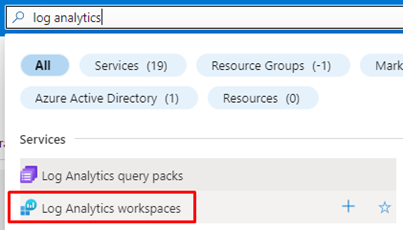
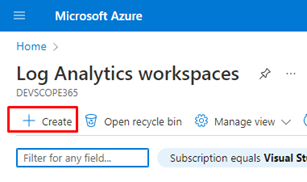
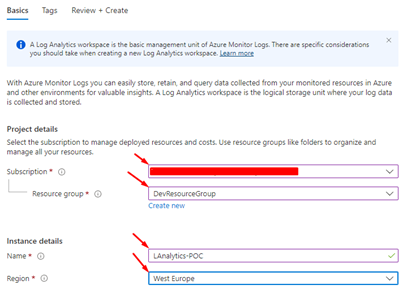
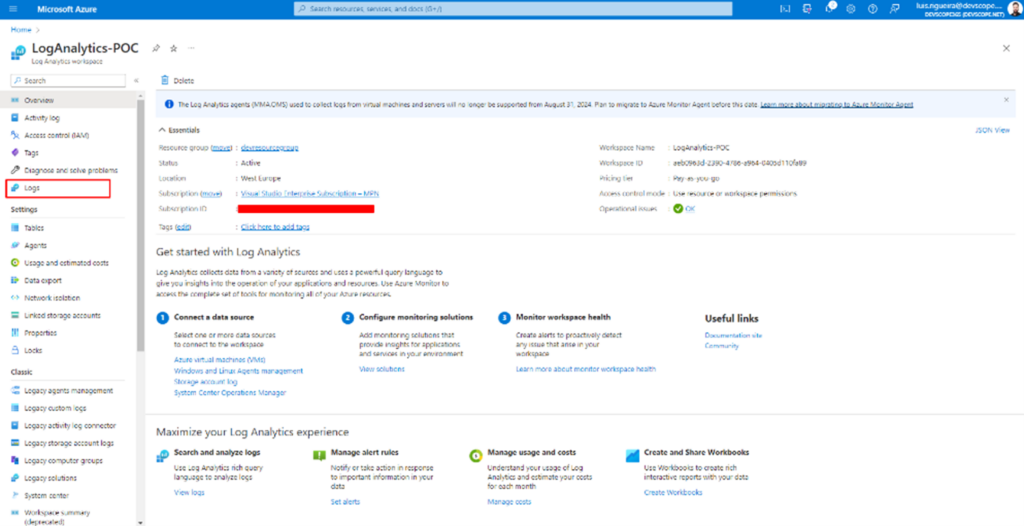
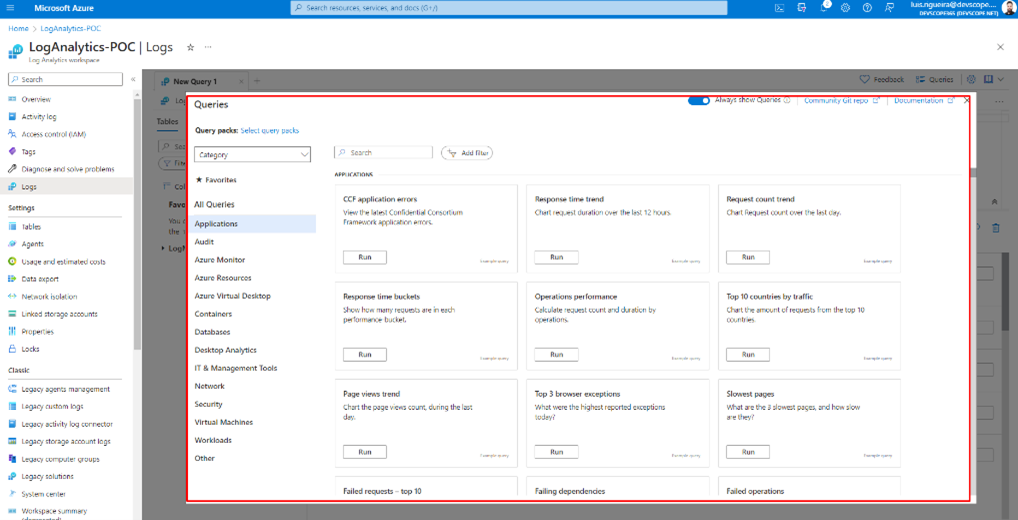
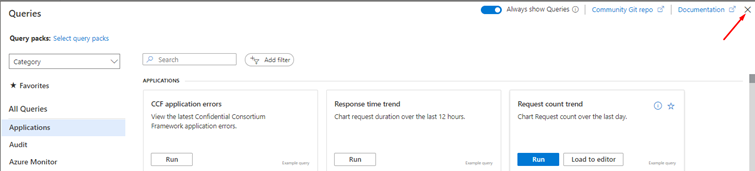
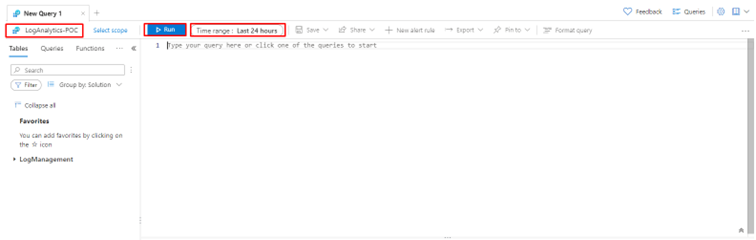
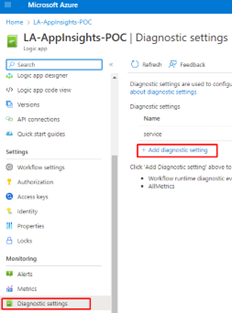
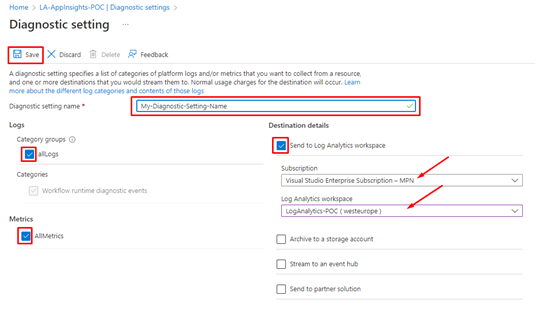
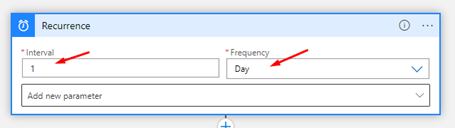
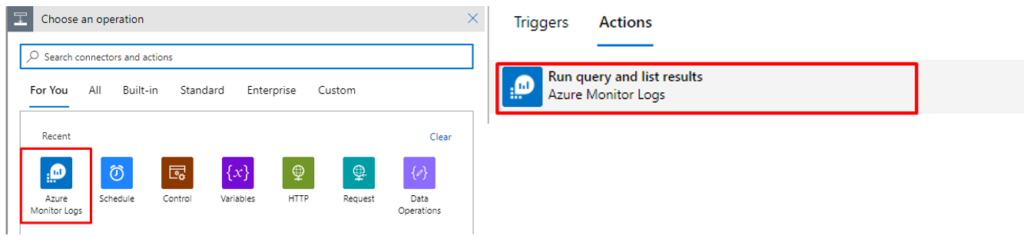
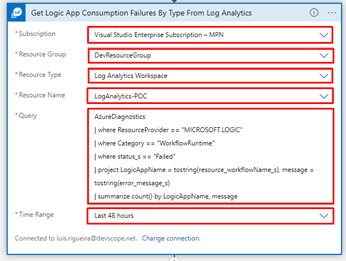
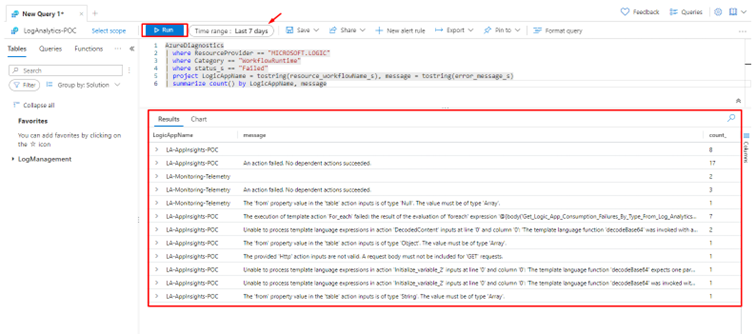
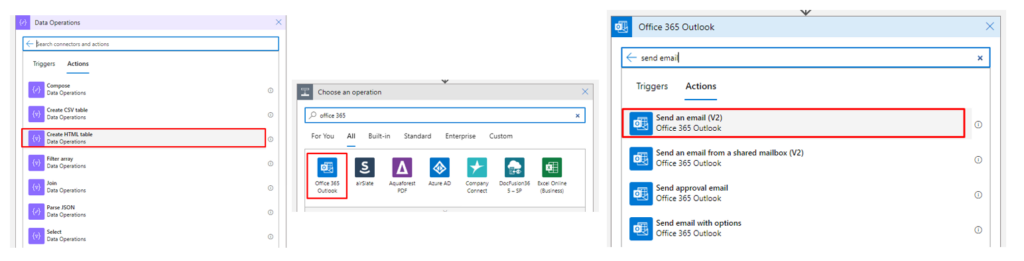
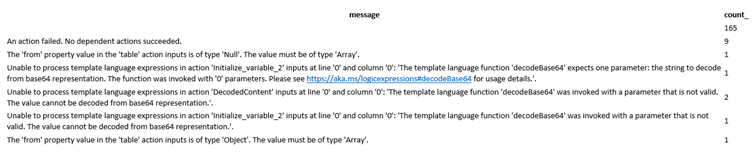
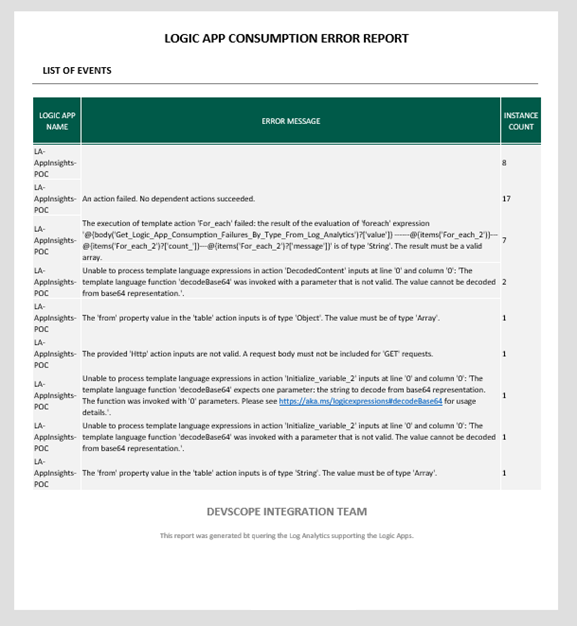
Azure Logic App (Consumption) is one of the most used integration services for orchestrating critical workflows, and an error in it would essentially affect your business continuity.
By default, Logic App allows handling errors using the Configure run after settings at a per action level. For more complex scenarios, it can be done by setting up Scope action and implementing try-catch or try-catch-finally statements.
This video aims to explain and discuss error handling within Logic Apps and explore the implementation of a try-catch-finally statement. Even though we are using Logic Apps Consumption for this proof of concept, the same principles will be applied to Logic Apps Standard.
Error Handling in Logic Apps by Luis Rígueira
Hope you find this helpful! So, if you liked the content or found it useful and want to help me write more content, you can buy (or help buy) my son a Star Wars Lego!
Big thanks to my team member Luís Rigueira for creating this video.
Author: Sandro Pereira
Sandro Pereira lives in Portugal and works as a consultant at DevScope. In the past years, he has been working on implementing Integration scenarios both on-premises and cloud for various clients, each with different scenarios from a technical point of view, size, and criticality, using Microsoft Azure, Microsoft BizTalk Server and different technologies like AS2, EDI, RosettaNet, SAP, TIBCO etc.
He is a regular blogger, international speaker, and technical reviewer of several BizTalk books all focused on Integration. He is also the author of the book “BizTalk Mapping Patterns & Best Practices”. He has been awarded MVP since 2011 for his contributions to the integration community.
View all posts by Sandro Pereira
Because the Math (or Mathematical) functions category has too many functions, I decide to break this blog post into different parts, so welcome to the second part!
Overview
Math (or Mathematical) functions are used to perform a variety of mathematical and scientific operations, such as addition and multiplication. If you come from the BizTalk Server background or are migrating BizTalk Server projects, they are the equivalent of Mathematical and Scientific Functoids inside BizTalk Mapper Editor.
Available Functions
The Math functions are:
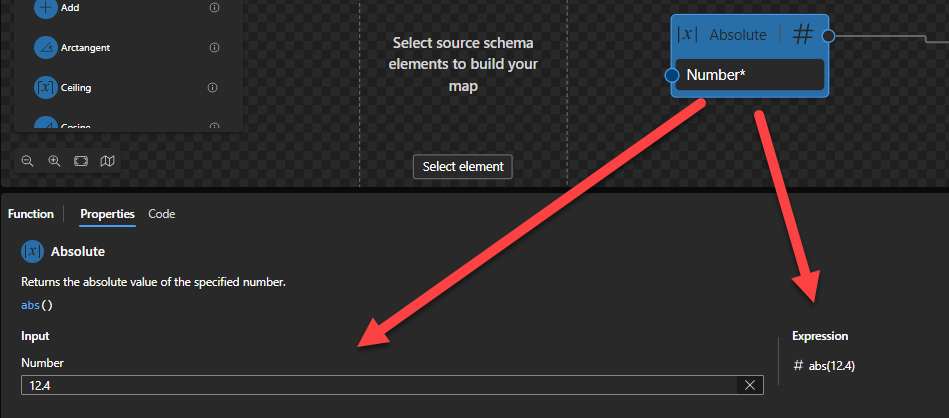
Absolute: Returns the absolute value of the specified number.
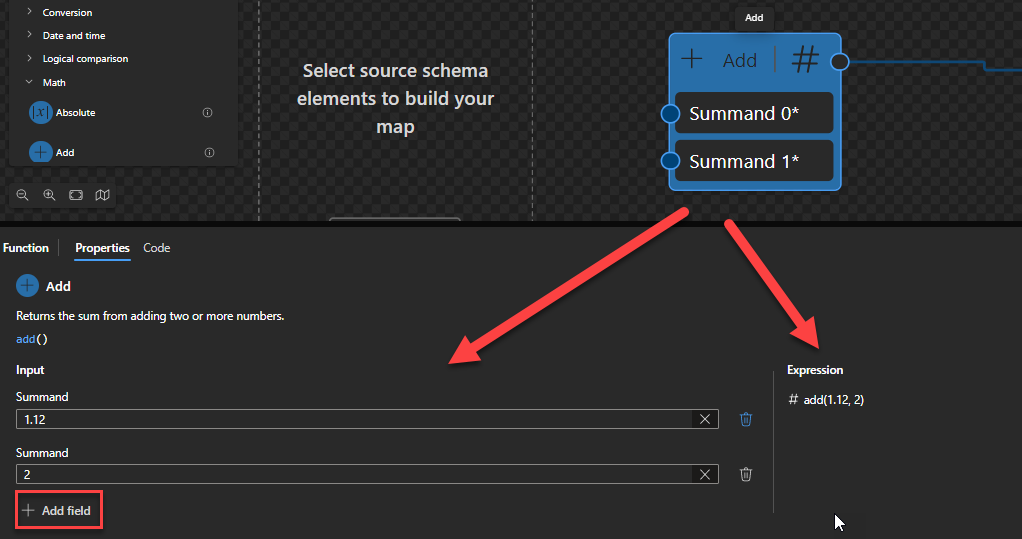
Add: Returns the sum from adding two or more numbers.
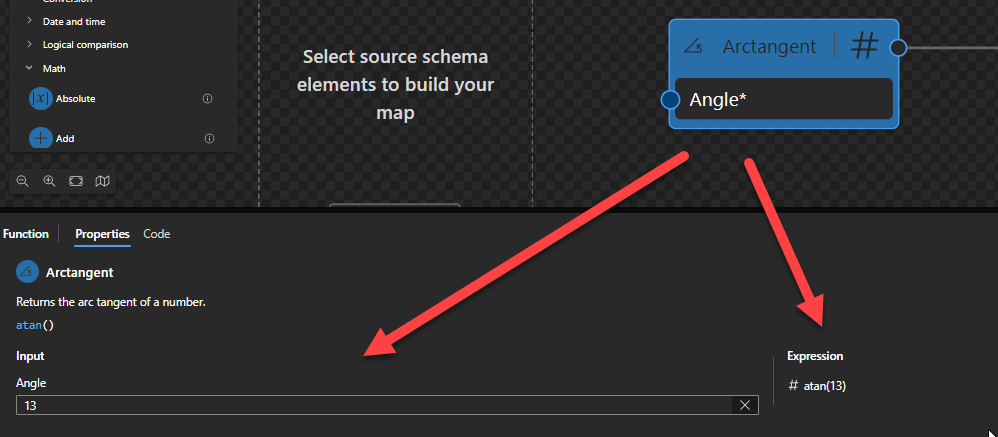
Arctangent: Returns the arc tangent of a number.
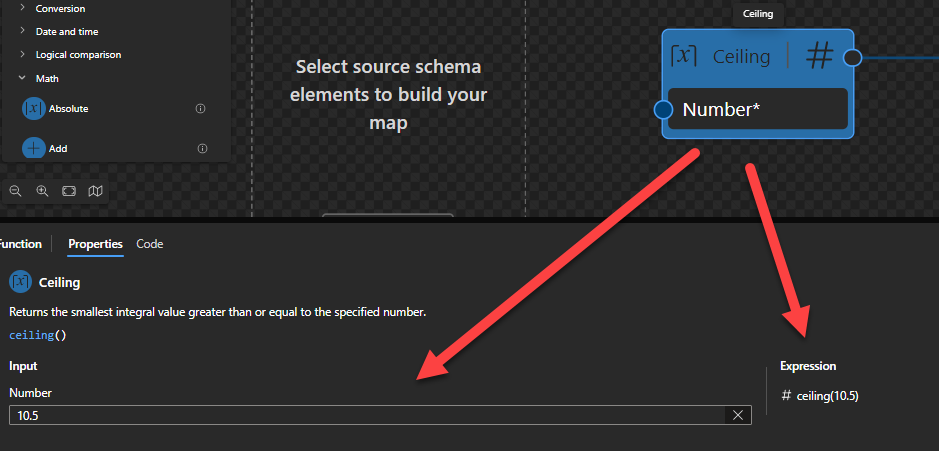
Ceiling: Returns the smallest integral value greater than or equal to the specified number.
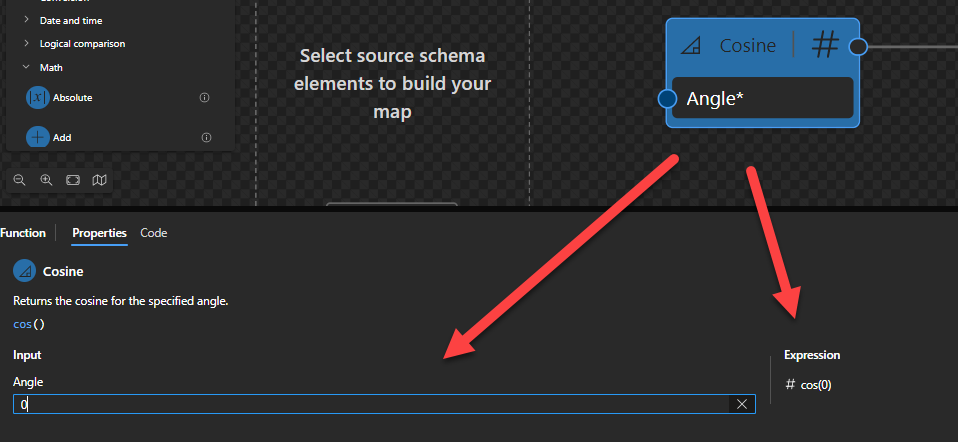
Cosine: Returns the cosine for the specified angle.
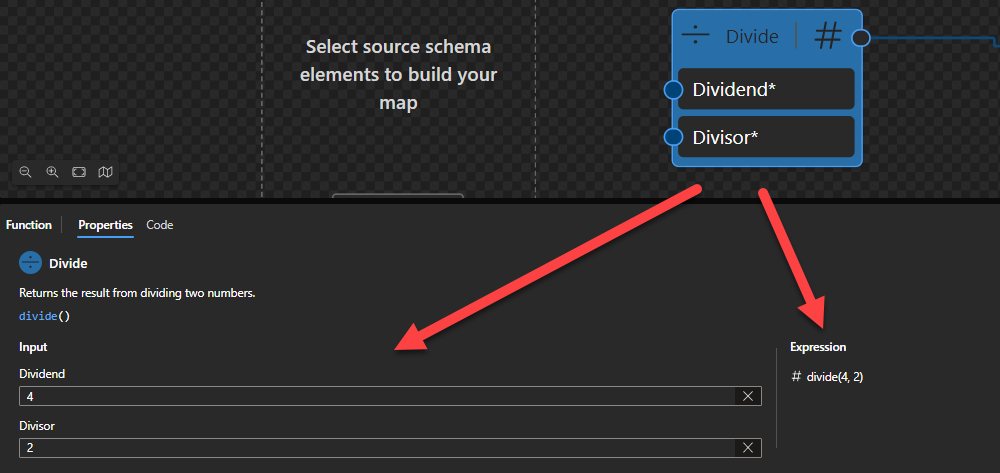
Divide: Returns the result from dividing two numbers.
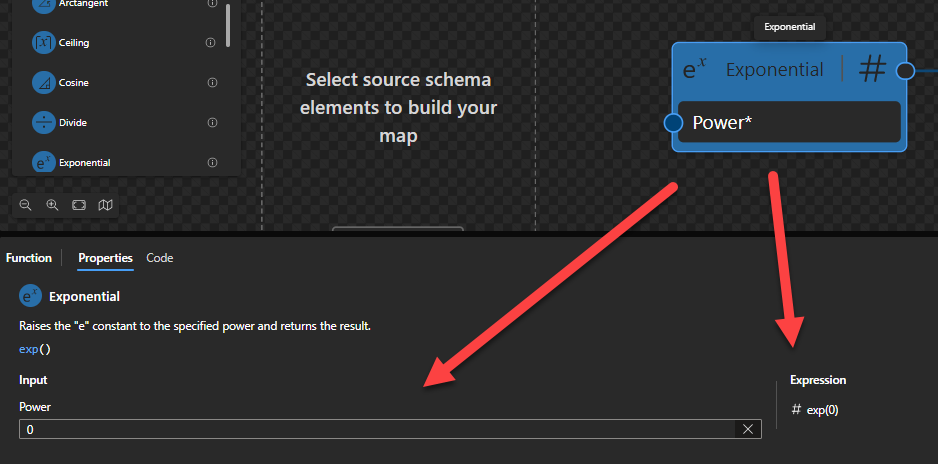
Exponential: Raises the “e” constant to the specified power and returns the result.
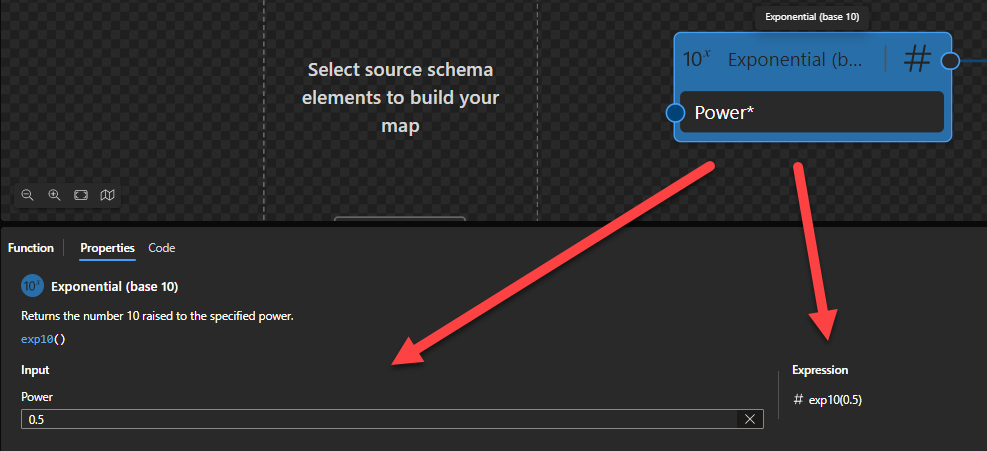
Exponential (base 10): Returns the number 10 raised to the specified power.
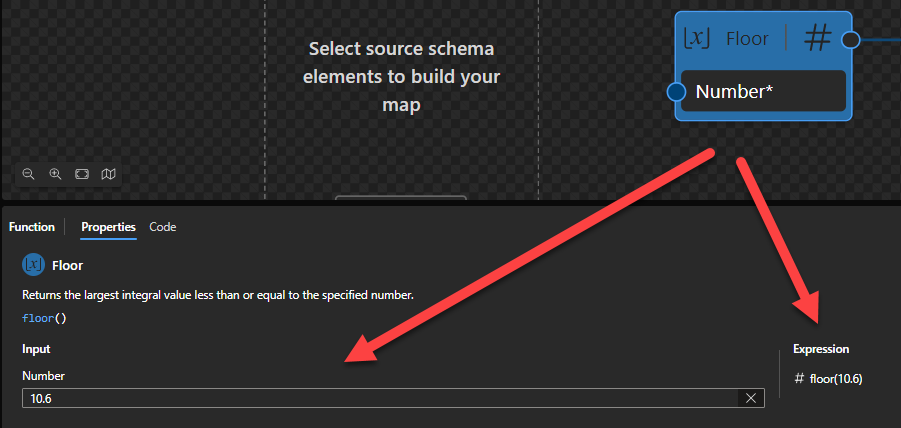
Floor: Returns the largest integral value less than or equal to the specified number.
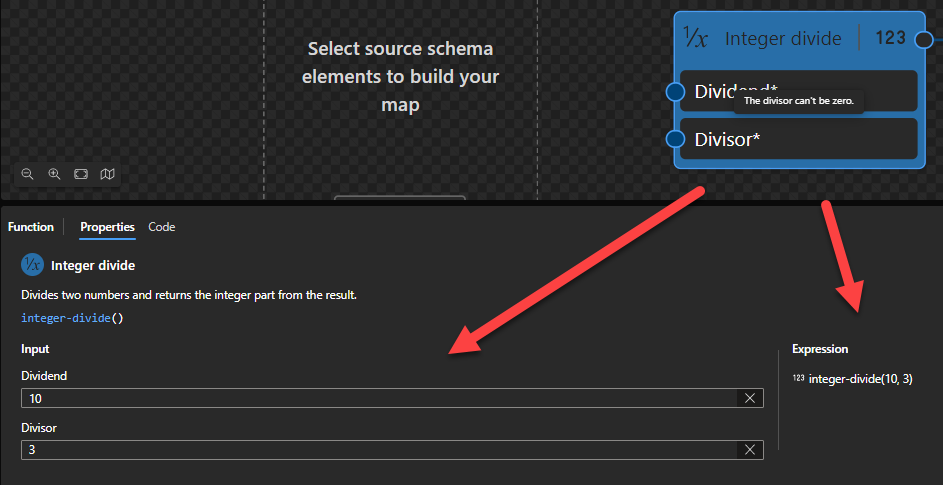
Integer divide: Divides two numbers and returns the integer part from the result.
Log: Returns the logarithm for the specified number in the specified base.
Log (base 10): Returns the base 10 logarithm for the specified number.
Modulo: Returns the remainder from dividing the specified numbers.
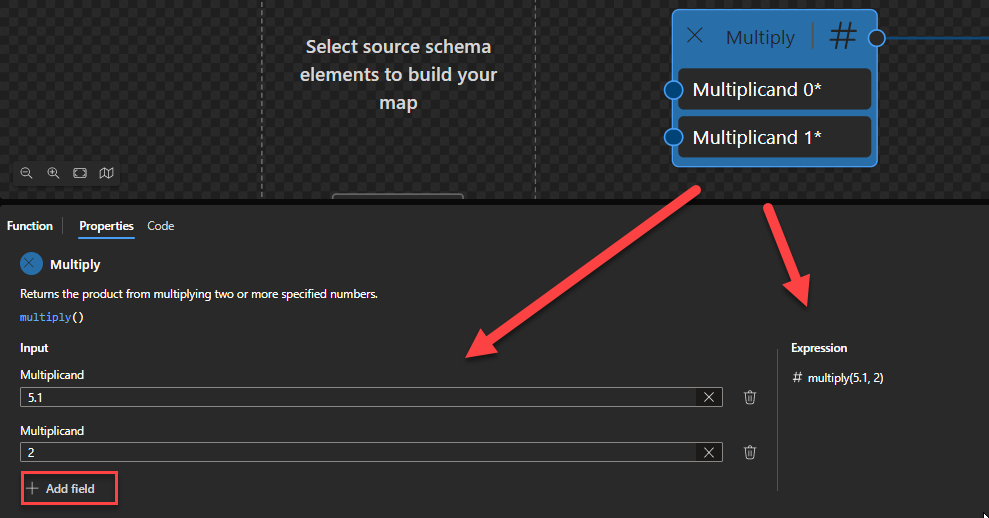
Multiply: Returns the product from multiplying two or more specified numbers.
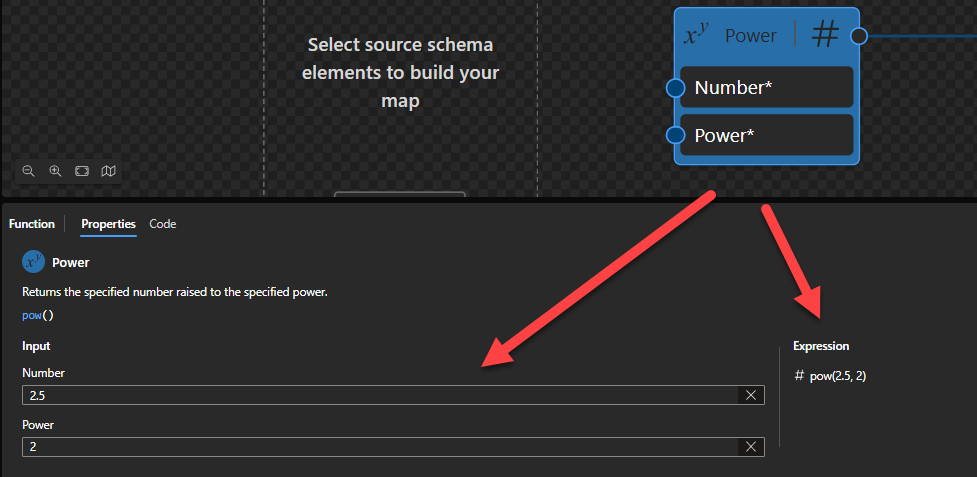
Power: Returns the specified number raised to the specified power.
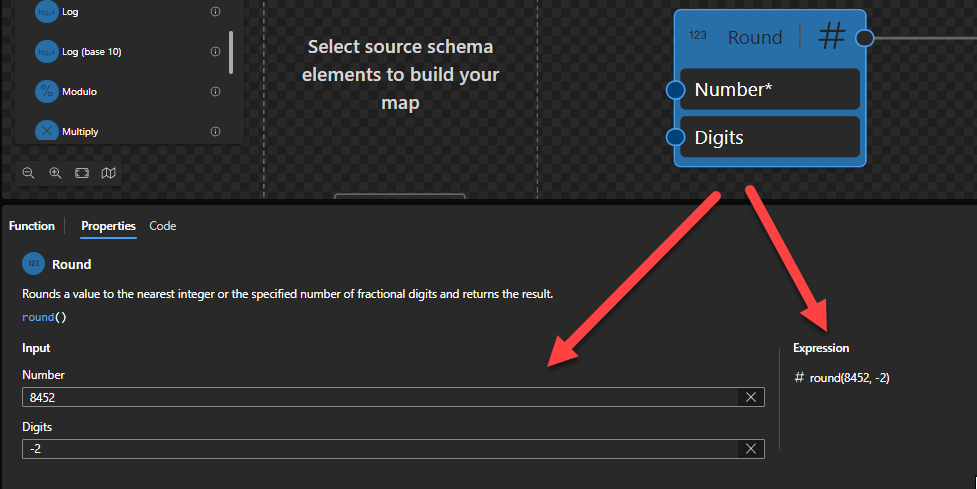
Round: Rounds a value to the nearest integer or the specified number of fractional digits and returns the result.
Square root: Returns the square root for the specified number.
Subtract: Subtracts the second number from the first number and returns the result.
Tangent: Returns the tangent for the specified angle.
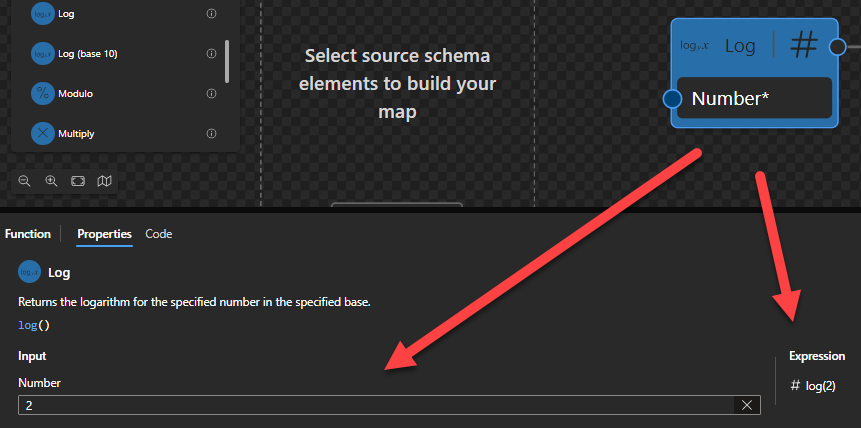
Log
This function states that it will return the logarithm for the specified number in the specified base.
Behind the scenes, this function is translated to the following XPath function: math:log($arg)
math:log($arg as xs:double?) as xs:double?
Rules:
The result is the natural logarithm of $arg
Sample:
The expression math:log(0) returns xs:double('-INF').
The expression math:log(-1) returns xs:double('NaN').
The expression math:log(2) returns 0.6931471805599453
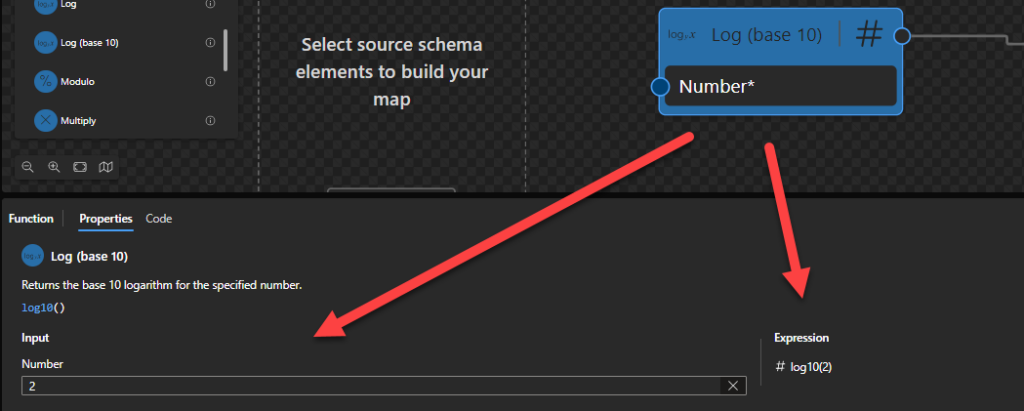
Log (base 10)
This function states that it will return the base 10 logarithm for the specified number.
Behind the scenes, this function is translated to the following XPath function: math:log10($arg)
math:log10($arg as xs:double?) as xs:double?
Rules:
The result is the base-10 logarithm of $arg
Sample:
The expression math:log10(0) returns xs:double('-INF')
The expression math:log10(2) returns 0.3010299956639812
The expression math:log10(-1) returns xs:double('NaN')
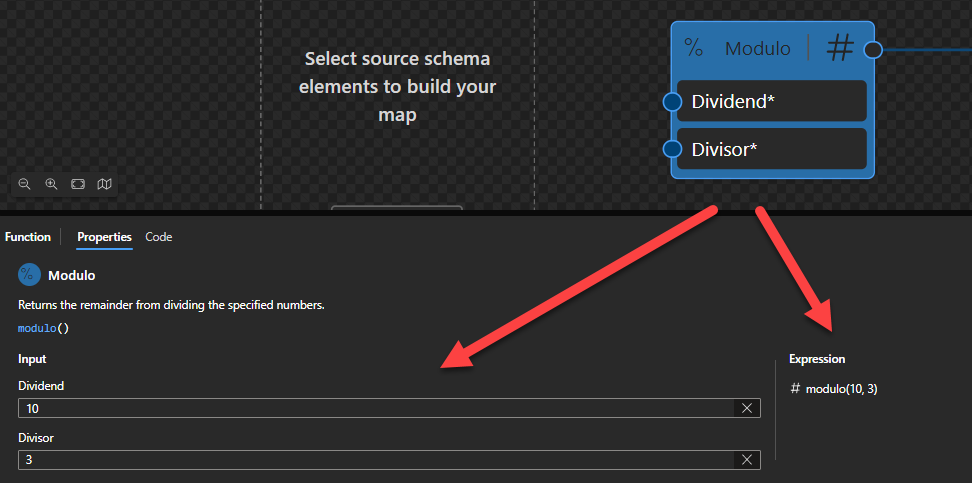
Modulo
This function states that it will return the remainder from dividing the specified numbers.
Behind the scenes, this function is translated to the following XPath expression: ($arg1) mod ($arg2)
fn:error($code as xs:QName?, $description as xs:string) as none
Rules:
Returns the remainder resulting from dividing $arg1, the dividend, by $arg2, the divisor.
The operation a mod b for operands that are xs:integer or xs:decimal, or types derived from them, produces a result such that (a idiv b)*b+(a mod b) is equal to a and the magnitude of the result is always less than the magnitude of b. This identity holds even in the special case that the dividend is the negative integer of largest possible magnitude for its type and the divisor is -1 (the remainder is 0). It follows from this rule that the sign of the result is the sign of the dividend.
Sample:
The expression (10) mod (3) returns 1.
The expression (6) mod (-2) returns 0.
The expression (4.5) mod (1.2) returns 0.9.
Multiply
This function states that it will return the product from multiplying two or more specified numbers.
Behind the scenes, this function is translated to the following XPath expression: ($arg1) * ($arg2) (allows more inputs)
($arg1) * ($arg2) as xs:numeric?
Rules:
Returns the arithmetic product of its operands: ($arg1 * $arg2).
For the four types xs:float, xs:double, xs:decimal and xs:integer, it is guaranteed that if the type of $arg is an instance of type T then the result will also be an instance of T. The result may also be an instance of a type derived from one of these four by restriction. For example, if $arg is an instance of xs:decimal then the result may be an instance of xs:integer.
This function allows two or more inputs.
Sample:
The expression (5) + (2) returns 10.
The expression (5.1) + (2) returns 10.2.
Power
This function states that it will return the specified number raised to the specified power.
Behind the scenes, this function is translated to the following XPath function: math:pow($arg1, $arg2)
math:pow($arg1 as xs:double?, $arg2 as xs:numeric) as xs:double?
Rules:
If $arg2 is an instance of xs:integer, the result is $arg1 raised to the power of $arg2. Otherwise $arg2 is converted to an xs:double by numeric promotion, and the result is the value of $arg1 raised to the power of $arg2.
Sample:
The expression math:pow(2, 3) returns 8.
The expression math:pow(-2, 3) returns -8
The expression math:pow(2, 0) returns 1
The expression math:pow(2.5, 2) returns 6.25
Round
This function states that it will round a value to the nearest integer or the specified number of fractional digits and returns the result.
Behind the scenes, this function is translated to the following XPath function: round($arg1, $arg2)
fn:round($arg as xs:numeric?, $precision as xs:integer) as xs:numeric?
Rules:
The function returns the nearest (that is, numerically closest) value to $arg that is a multiple of ten to the power of minus $precision. If two such values are equally near (for example, if the fractional part in $arg is exactly .5), the function returns the one that is closest to positive infinity.
For the four types xs:float, xs:double, xs:decimal and xs:integer, it is guaranteed that if the type of $arg is an instance of type T then the result will also be an instance of T. The result may also be an instance of a type derived from one of these four by restriction. For example, if $arg is an instance of xs:decimal and $precision is less than one, then the result may be an instance of xs:integer.
Sample:
The expression fn:round(1.125, 2) returns 1.13
The expression fn:round(8452, -2) returns 8500
Sine
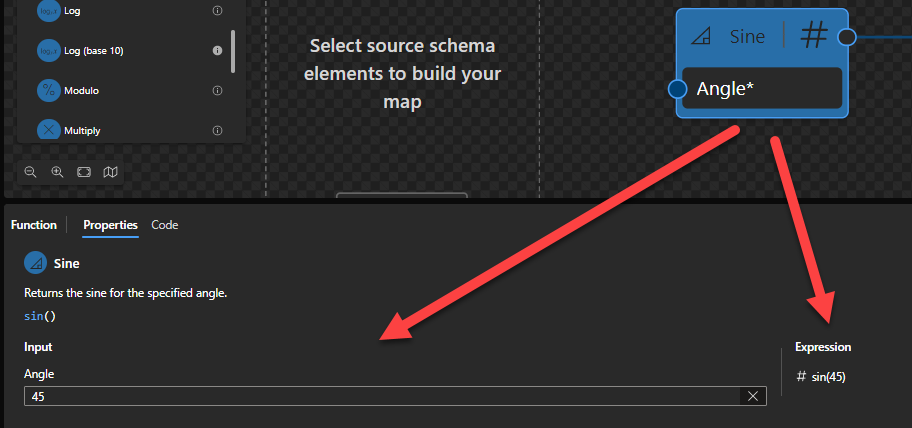
This function states that it will return the sine for the specified angle.
Behind the scenes, this function is translated to the following XPath function: math:sin($arg)
math:sin($arg as xs:double?) as xs:double?
Rules:
If $arg is positive or negative zero, the result is $arg.
Returns the sine of the argument. The argument is an angle in radians.
Sample:
The expression math:sin(0) returns 0.
The expression math:sin(45) returns 0.8509035245341184.
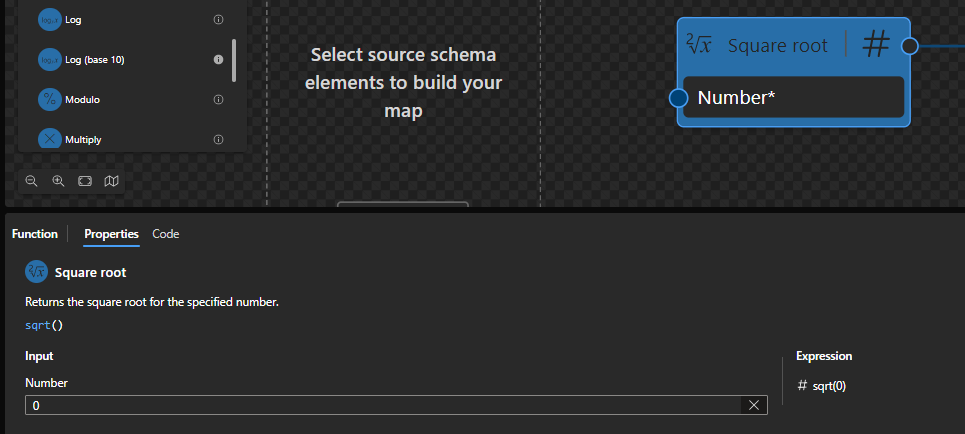
Square root
This function states that it will return the square root for the specified number.
Behind the scenes, this function is translated to the following XPath function: math:sqrt($arg)
math:sqrt($arg as xs:double?) as xs:double?
Rules:
If $arg is positive or negative zero, positive infinity, or NaN, then the result is $arg. (Negative zero is the only case where the result can have negative sign)
The result is the mathematical non-negative square root of $arg
Sample:
The expression math:sqrt(0) returns 0.
The expression math:sqrt(-2) returns NaN.
The expression math:sqrt(4) returns 2.
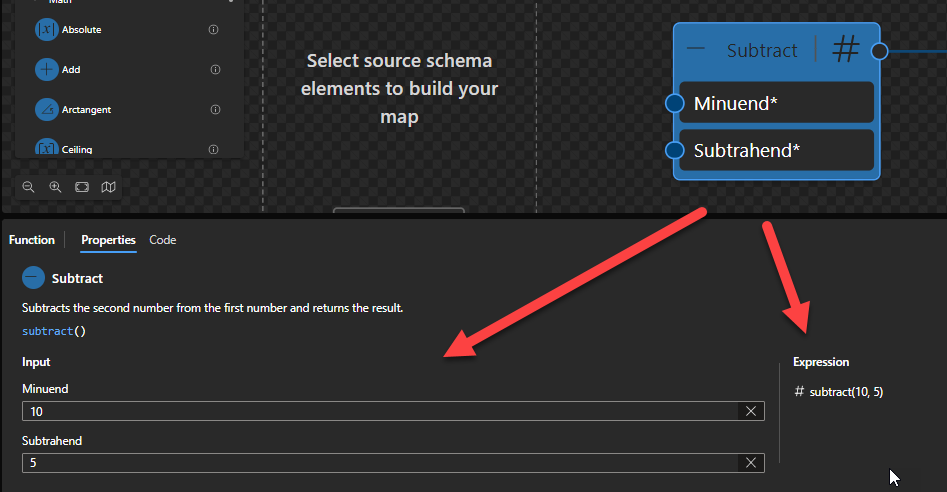
Subtract
This function states that it will subtract the second number from the first number and returns the result.
Behind the scenes, this function is translated to the following XPath function: ($arg1) - ($arg2)
($arg1 as xs:numeric - $arg2 as xs:numeric) as xs:numeric
Rules:
Returns the arithmetic difference of its operands: ($arg1 - $arg2).
$arg1 and $arg2 are numeric values (xs:float, xs:double, xs:decimal and xs:integer)
Sample:
The expression (3) - (1) returns 2.
The expression (2) - (1.12) returns 0.88.
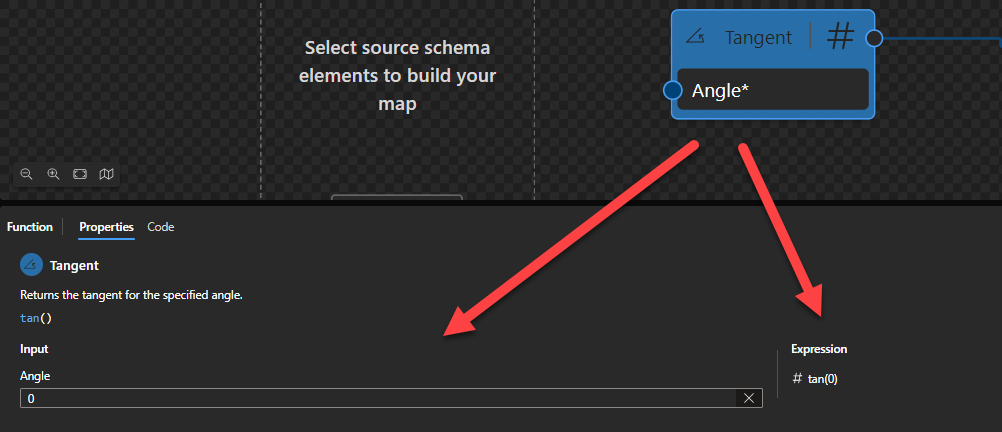
Tangent
This function states that it will return the tangent for the specified angle.
Behind the scenes, this function is translated to the following XPath function: math:tan($arg)
math:tan($arg as xs:double?) as xs:double?
Rules:
If $arg is positive or negative infinity, or NaN, then the result is NaN.
Returns the tangent of the argument. The argument is an angle in radians.
Sample:
The expression math:tan(0) returns 0
The expression math:tan(12) returns -0.6358599286615808
Hope you find this helpful! So, if you liked the content or found it useful and want to help me write more, you can buy (or help buy) my son a Star Wars Lego!
Author: Sandro Pereira
Sandro Pereira lives in Portugal and works as a consultant at DevScope. In the past years, he has been working on implementing Integration scenarios both on-premises and cloud for various clients, each with different scenarios from a technical point of view, size, and criticality, using Microsoft Azure, Microsoft BizTalk Server and different technologies like AS2, EDI, RosettaNet, SAP, TIBCO etc.
He is a regular blogger, international speaker, and technical reviewer of several BizTalk books all focused on Integration. He is also the author of the book “BizTalk Mapping Patterns & Best Practices”. He has been awarded MVP since 2011 for his contributions to the integration community.
View all posts by Sandro Pereira
Math (or Mathematical) functions are used to perform a variety of mathematical and scientific operations, such as addition and multiplication. If you come from the BizTalk Server background or are migrating BizTalk Server projects, they are the equivalent of Mathematical and Scientific Functoids inside BizTalk Mapper Editor.
Available Functions
The Math functions are:
Absolute: Returns the absolute value of the specified number.
Add: Returns the sum from adding two or more numbers.
Floor: Returns the largest integral value less than or equal to the specified number.
Integer divide: Divides two numbers and returns the integer part from the result.
Log: Returns the logarithm for the specified number in the specified base.
Log (base 10): Returns the base 10 logarithm for the specified number.
Modulo: Returns the remainder from dividing the specified numbers.
Multiply: Returns the product from multiplying two or more specified numbers.
Power: Returns the specified number raised to the specified power.
Round: Rounds a value to the nearest integer or the specified number of fractional digits and returns the result.
Sine: Returns the sine for the specified angle.
Square root: Returns the square root for the specified number.
Subtract: Subtracts the second number from the first number and returns the result.
Tangent: Returns the tangent for the specified angle.
Absolute
This function states that it will return the absolute value of the specified number.
Behind the scenes, this function is translated to the following XPath function: abs($arg)
fn:abs($arg as xs:numeric?) as xs:numeric?
Rules:
If $arg is negative, the function returns -$arg. Otherwise, it returns $arg.
For the four types xs:float, xs:double, xs:decimal and xs:integer, it is guaranteed that if the type of $arg is an instance of type T then the result will also be an instance of T. The result may also be an instance of a type derived from one of these four by restriction. For example, if $arg is an instance of xs:positiveInteger then the value of $arg may be returned unchanged.
For xs:float and xs:double arguments, if the argument is positive zero or negative zero, then positive zero is returned. If the argument is positive or negative infinity, positive infinity is returned.
Sample:
The expression fn:abs(10.5) returns 10.5.
The expression fn:abs(-10.5) returns 10.5.
Add
This function states that it will return the sum from adding two or more numbers.
Behind the scenes, this function is translated to the following XPath expression: $arg1 + $arg2 (allows more inputs)
($arg1 as xs:numeric + $arg2 as xs:numeric) as xs:numeric
Rules:
Returns the arithmetic sum of its operands: ($arg1 + $arg2).
$arg1 and $arg2 are numeric values (xs:float, xs:double, xs:decimal and xs:integer)
This function allows two or more inputs.
Sample:
The expression (1) + (3) returns 4.
The expression (1.12) + (2) returns 3.12.
Arctangent
This function states that it will return the arc tangent of a number.
Behind the scenes, this function is translated to the following XPath function: math:atan($arg)
math:atan($arg as xs:double?) as xs:double?
Rules:
If $arg is a non-numeric value, then the result is empty.
Sample:
The expression math:atan(0) returns 0.
The expression math:atan(1.28) returns 0.9075933340888034.
Ceiling
This function states that it will return the smallest integral value greater than or equal to the specified number.
Behind the scenes, this function is translated to the following XPath function: ceiling($arg)
fn:ceiling($arg as xs:numeric?) as xs:numeric?
Rules:
The function returns the smallest (closest to negative infinity) number with no fractional part that is not less than the value of $arg.
For the four types xs:float, xs:double, xs:decimal and xs:integer, it is guaranteed that if the type of $arg is an instance of type T then the result will also be an instance of T. The result may also be an instance of a type derived from one of these four by restriction. For example, if $arg is an instance of xs:decimal then the result may be an instance of xs:integer.
Sample:
The expression fn:ceiling(10.5) returns 11.
The expression fn:ceiling(-10.5) returns -10.
Cosine
This function states that it will return the cosine for the specified angle.
Behind the scenes, this function is translated to the following XPath function: math:cos($arg)
math:cos($arg as xs:double?) as xs:double?
Rules:
If $arg is positive or negative zero, the result is $arg.
Sample:
The expression math:cos(0) returns 1
The expression math:cos(1212) returns 0.7931914936378434
Divide
This function states that it will return the result from dividing two numbers.
Behind the scenes, this function is translated to the following XPath function: $arg1 div $arg2
$arg1 div $arg2 as xs:numeric?
Rules:
For the four types xs:float, xs:double, xs:decimal and xs:integer, it is guaranteed that if the type of $arg is an instance of type T then the result will also be an instance of T. The result may also be an instance of a type derived from one of these four by restriction. For example, if $arg is an instance of xs:decimal then the result may be an instance of xs:integer.
Sample:
The expression (10) div (3) returns 3.
The expression (-3) div (-2) returns 1.5.
The expression (-3) div (2) returns -1.
The expression (-3.5) div (3) returns 0.7.
Exponential
This function states that it will raise the “e” constant to the specified power and returns the result.
Behind the scenes, this function is translated to the following XPath function: math:exp($arg)
math:exp($arg as xs:double?) as xs:double?
Rules:
Returns the value of e
Sample:
The expression math:exp(0) returns 1.
The expression math:exp(1) returns 2.7182818284590455.
Exponential (base 10)
This function states that it will return the number 10 raised to the specified power.
Behind the scenes, this function is translated to the following XPath function: math:exp10($arg)
math:exp10($arg as xs:double?) as xs:double?
Rules:
Returns the value of 10
Sample:
The expression math:exp10(0) returns 1
The expression math:exp10(1) returns 1.0e1.
The expression math:exp10(0.5) returns 3.1622776601683795
Floor
This function states that it will return the largest integral value less than or equal to the specified number.
Behind the scenes, this function is translated to the following XPath function: floor($arg)
fn:error($code as xs:QName?, $description as xs:string) as none
Rules:
The function returns the largest (closest to positive infinity) number with no fractional part that is not greater than the value of $arg.
For the four types xs:float, xs:double, xs:decimal and xs:integer, it is guaranteed that if the type of $arg is an instance of type T then the result will also be an instance of T. The result may also be an instance of a type derived from one of these four by restriction. For example, if $arg is an instance of xs:decimal then the result may be an instance of xs:integer.
Sample:
The expression fn:floor(10.5) returns 10.
The expression fn:floor(10.9) returns 10.
The expression fn:floor(-10.5) returns -11.
Integer divide
This function states that it will divide two numbers and returns the integer part from the result.
Behind the scenes, this function is translated to the following XPath expression: ($arg1) idiv ($arg2)
($arg1) idiv ($arg2) as xs:integer
Rules:
Performs an integer division.
For the four types xs:float, xs:double, xs:decimal and xs:integer, it is guaranteed that if the type of $arg is an instance of type T then the result will also be an instance of T. The result may also be an instance of a type derived from one of these four by restriction. For example, if $arg is an instance of xs:decimal then the result may be an instance of xs:integer.
Sample:
The expression (10) idiv (3) returns 3.
The expression (-3) idiv (-2) returns 1.
The expression (-3) idiv (2) returns -1.
The expression (-3.5) idiv (3) returns -1.
Stay tune for the second part of this blog post.
Hope you find this helpful! So, if you liked the content or found it useful and want to help me write more, you can buy (or help buy) my son a Star Wars Lego!
Author: Sandro Pereira
Sandro Pereira lives in Portugal and works as a consultant at DevScope. In the past years, he has been working on implementing Integration scenarios both on-premises and cloud for various clients, each with different scenarios from a technical point of view, size, and criticality, using Microsoft Azure, Microsoft BizTalk Server and different technologies like AS2, EDI, RosettaNet, SAP, TIBCO etc.
He is a regular blogger, international speaker, and technical reviewer of several BizTalk books all focused on Integration. He is also the author of the book “BizTalk Mapping Patterns & Best Practices”. He has been awarded MVP since 2011 for his contributions to the integration community.
View all posts by Sandro Pereira
Utility functions are used to perform a variety of additional and distinct operations that don’t fit in the above Categories, such as stopping a transformation and returning the specified error code and description or format, etc.
Available Functions
The Utility functions are:
Copy: Copies any and all of the input’s substructure.
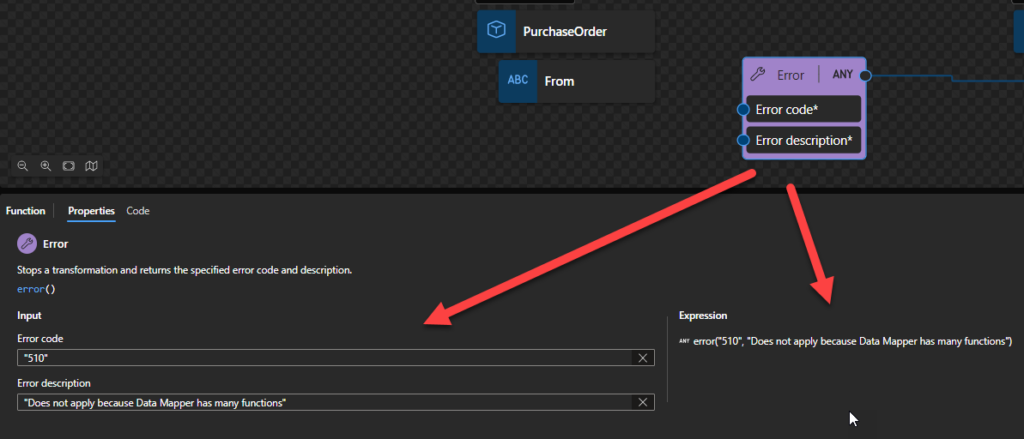
Error: Stops a transformation and returns the specified error code and description.
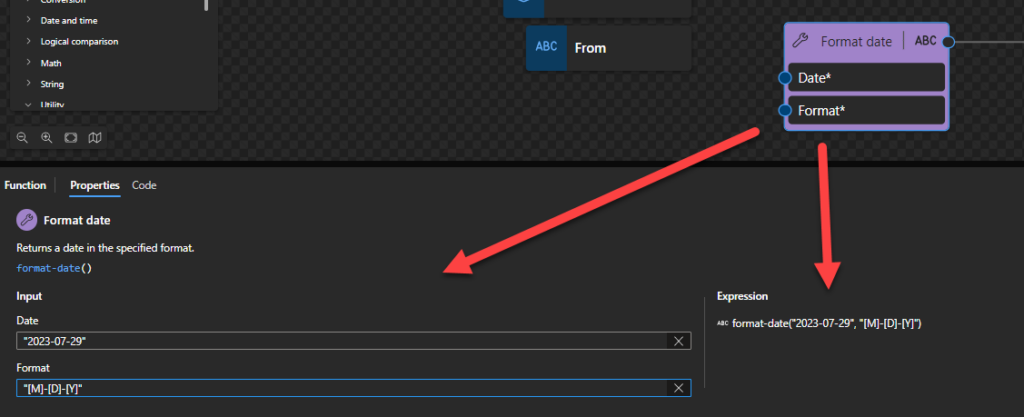
Format date: Returns a date in the specified format.
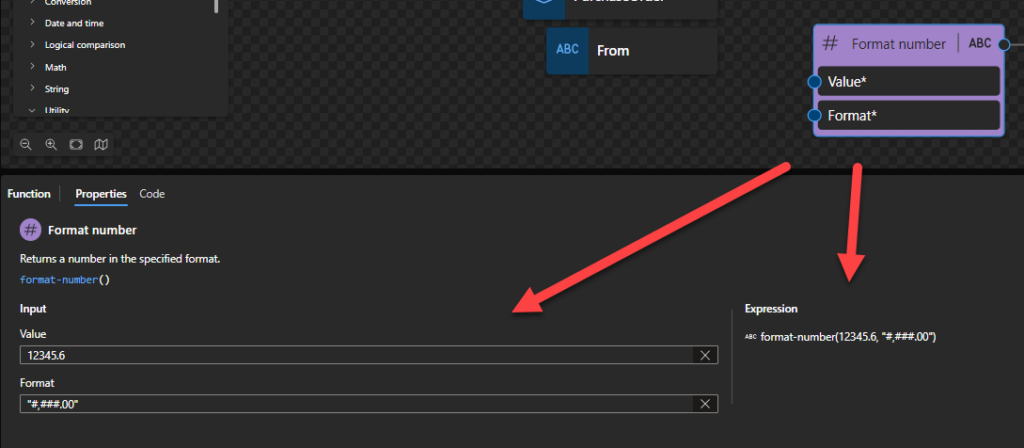
Format number: Returns a number in the specified format.
Format time: Returns a time in the specified format.
Copy
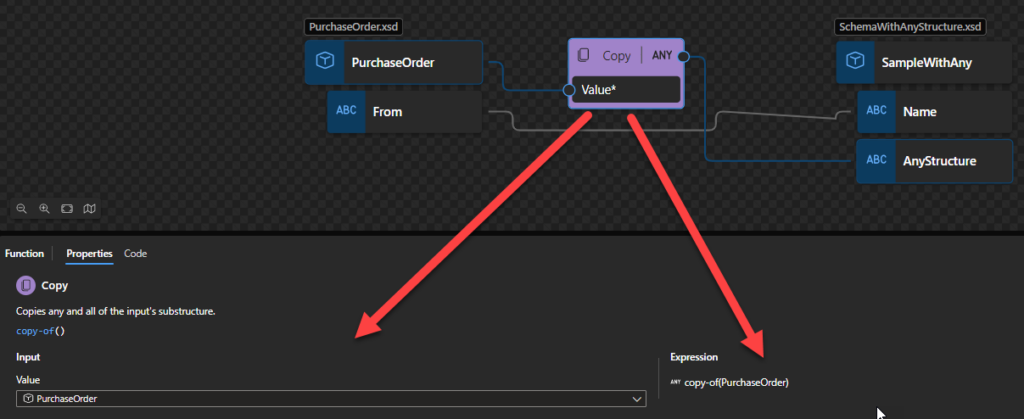
This function states that it will copy any and all of the input’s substructure. It enables your maps to use schemas that include any and anyAttribute elements. These elements are, in essence, wildcards provided in the Schema definition language to match unknown structures or attributes.
The following figure shows the Copy function used in a map.
Behind the scenes, this function is translated to the following XPath expression: copy-of($arg)
Rules:
The Copy function copies the element in the input instance message corresponding to the source schema node connected to the Copy function. The function also copies any and all of its substructure and re-creates it in the output instance message at the linked node in the destination schema. Thus, you can also use the Copy function to copy any source and destination records having identical substructures.
Error
This function states that it will stop a transformation and returns the specified error code and description.
Behind the scenes, this function is translated to the following XPath function: error($code, $description)
fn:error($code as xs:QName?, $description as xs:string) as none
Rules:
Calling the fn:error function raises an application-defined error.
This function never returns a value. Instead, it always raises an error. The effect of the error is identical to the effect of dynamic errors raised implicitly, for example, when an incorrect argument is supplied to a function.
The $code is an error code that distinguishes this error from others. It is an xs:QName; the namespace URI conventionally identifies the component, subsystem, or authority responsible for defining the meaning of the error code, while the local part identifies the specific error condition. The namespace URI http://www.w3.org/2005/xqt-errors is used for errors defined in this specification; other namespace URIs may be used for errors defined by the application.
The $description is a natural-language description of the error condition.
Format date
This function states that it returns a date in the specified format.
Behind the scenes, this function is translated to the following XPath function: format-date($arg1, $arg2)
fn:format-date($value as xs:date?, $picture as xs:string) as xs:string?
Rules:
The $arg1 needs to be an xs:date in the following format yyyy-MM-DD or yyyy-MM-DDZ.
The $arg2 (or picture) consists of a sequence of variable markers and literal substrings. A substring enclosed in square brackets is interpreted as a variable marker; substrings not enclosed in square brackets are taken as literal substrings. The literal substrings are optional and, if present, are rendered unchanged, including any whitespace. The variable markers are replaced in the result by strings representing aspects of the date and/or time to be formatted. These are described in detail below:
Y – year (absolute value);
M – month in the year
D – day in the month
d – day in the year
F – day of the week
W – week in year
w – week in the month
C – calendar: the name or abbreviation of a calendar name
E – era: the name of a baseline for the numbering of years, for example, the reign of a monarch
Sample:
The expression fn:format-date($d, “[Y0001]-[M01]-[D01]”) returns 2002-12-31
The expression fn:format-date($d, "[M]-[D]-[Y]") returns 12-31-2002.
The expression fn:format-date($d, "[D1] [MI] [Y]") returns 31 XII 2002.
The expression fn:format-date($d, “[D1o] [MNn], [Y]”) returns 31st December, 2002
The expression fn:format-date($d, "[D01] [MN,*-3] [Y0001]") returns 31 DEC 2002.
The expression fn:format-date($d, "[YWw]") returns Two Thousand and Three.
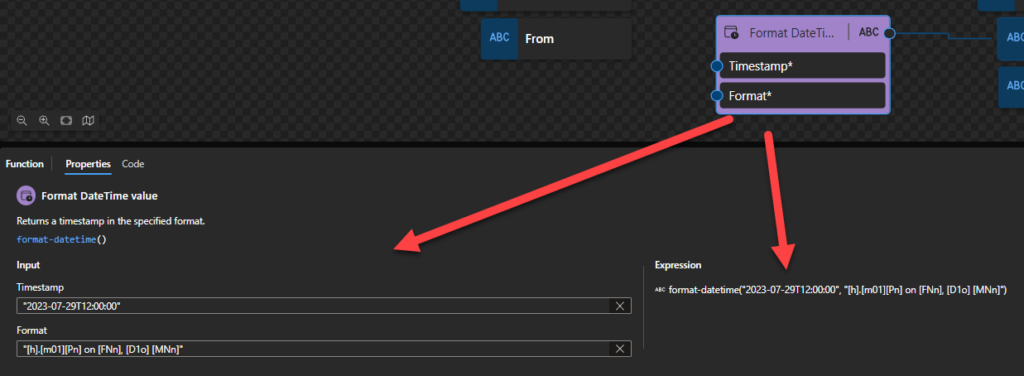
Format DateTime value
Returns a timestamp in the specified format.
This function states that it returns the specified value as an integer.
Behind the scenes, this function is translated to the following XPath function: format-dateTime($arg1, $arg2)
fn:format-dateTime($value as xs:dateTime?, $picture as xs:string) as xs:string?
Rules:
The $arg1 needs to be an xs:dateTime in the following format yyyy-MM-DDTHH:mm:ssZ or yyyy-MM-DDTHH:mm:ss-hh:mm.
The $arg2 (or picture) consists of a sequence of variable markers and literal substrings. A substring enclosed in square brackets is interpreted as a variable marker; substrings not enclosed in square brackets are taken as literal substrings. The literal substrings are optional and, if present, are rendered unchanged, including any whitespace. The variable markers are replaced in the result by strings representing aspects of the date and/or time to be formatted. These are described in detail below:
Y – year (absolute value);
M – month in the year
D – day in the month
d – day in the year
F – day of the week
W – week in year
w – week in the month
H – hour in the day (24 hours)
h – hour in half-day (12 hours)
P – am/pm marker
m – minute in the hour
s – second in a minute
f – fractional seconds
Z – timezone
z – timezone (same as Z, but modified where appropriate to include a prefix as a time offset using GMT, for example, GMT+1 or GMT-05:00. For this component, there is a fixed prefix of GMT or a localized variation thereof for the chosen language, and the remainder of the value is formatted as for specifier Z. 01:01
C – calendar: the name or abbreviation of a calendar name
E – era: the name of a baseline for the numbering of years, for example, the reign of a monarch
Sample:
The expression fn:format-dateTime($dt, “[h].[m01][Pn] on [FNn], [D1o] [MNn]”) returns 3.58pm on Tuesday, 31st December
The expression fn:format-date($d, "[M]-[D]-[Y]") returns 12-31-2002.
The expression fn:format-dateTime($dt, "[M01]/[D01]/[Y0001] at [H01]:[m01]:[s01]") returns 12/31/2002 at 15:58:45.
Format number
Returns a number in the specified format.
This function states that it returns the specified value as an integer.
Behind the scenes, this function is translated to the following XPath function: format-number($arg1, $arg2)
fn:format-number($value as xs:numeric?, $picture as xs:string) as xs:string
Rules:
Returns a string containing a number formatted according to a given picture string, taking account of decimal formats specified in the static context.
The $arg1 maybe of any numeric data type (xs:double, xs:float, xs:decimal, or their subtypes, including xs:integer).
Sample:
The expression format-number(12345.6, '#,###.00') returns "12,345.60".
The expression format-number(12345678.9, '9,999.99') returns "12,345,678.90".
The expression format-number(123.9, '9999') returns "0124".
The expression format-number(0.14, '01%') returns "14%".
The expression format-number(-6, '000') returns "-006".
Format time
Returns a time in the specified format.
This function states that it returns the specified value as an integer.
Behind the scenes, this function is translated to the following XPath function: format-time($arg1, $arg2)
fn:format-time($value as xs:time?, $picture as xs:string) as xs:string?
Rules:
The $arg1 needs to be an xs:time in the following format HH:mm:ssZ or HH:mm:ss-hh:mm.
The $arg2 (or picture) consists of a sequence of variable markers and literal substrings. A substring enclosed in square brackets is interpreted as a variable marker; substrings not enclosed in square brackets are taken as literal substrings. The literal substrings are optional and, if present, are rendered unchanged, including any whitespace. The variable markers are replaced in the result by strings representing aspects of the date and/or time to be formatted. These are described in detail below:
H – hour in the day (24 hours)
h – hour in half-day (12 hours)
P – am/pm marker
m – minute in the hour
s – second in a minute
f – fractional seconds
Z – timezone
z – timezone (same as Z, but modified where appropriate to include a prefix as a time offset using GMT, for example, GMT+1 or GMT-05:00. For this component, there is a fixed prefix of GMT or a localized variation thereof for the chosen language, and the remainder of the value is formatted as for specifier Z. 01:01
C – calendar: the name or abbreviation of a calendar name
E – era: the name of a baseline for the numbering of years, for example, the reign of a monarch
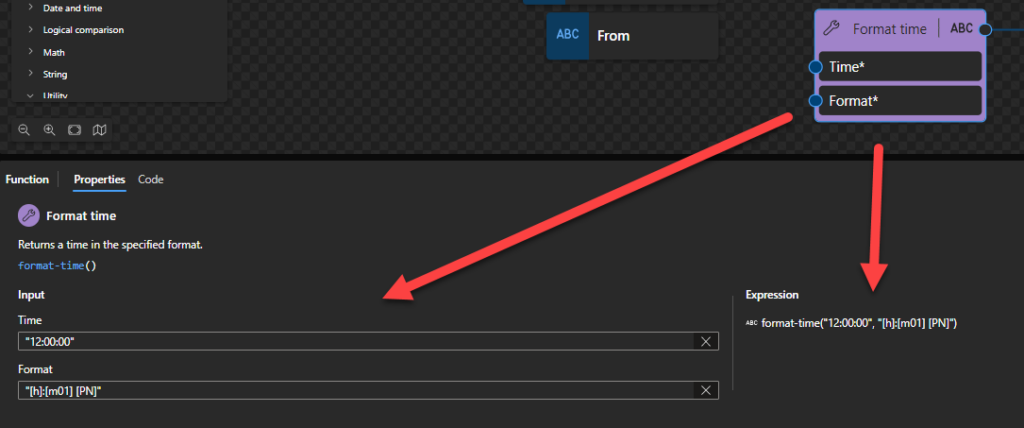
Sample:
The expression fn:format-time($t, “[h]:[m01] [PN]”) returns 3:58 PM
The expression fn:format-time($t, "[h]:[m01]:[s01] [PN] [ZN,*-3]") returns 3:58:45 PM PDT.
The expression fn:format-time($t,”[H01]:[m01]:[s01] [z,6-6]”) returns 15:58:45 GMT+02:00.
Hope you find this helpful! So, if you liked the content or found it useful and want to help me write more, you can buy (or help buy) my son a Star Wars Lego!
Author: Sandro Pereira
Sandro Pereira lives in Portugal and works as a consultant at DevScope. In the past years, he has been working on implementing Integration scenarios both on-premises and cloud for various clients, each with different scenarios from a technical point of view, size, and criticality, using Microsoft Azure, Microsoft BizTalk Server and different technologies like AS2, EDI, RosettaNet, SAP, TIBCO etc.
He is a regular blogger, international speaker, and technical reviewer of several BizTalk books all focused on Integration. He is also the author of the book “BizTalk Mapping Patterns & Best Practices”. He has been awarded MVP since 2011 for his contributions to the integration community.
View all posts by Sandro Pereira
Because the Date and Time functions category has too many functions, I decide to break this blog post into different parts, so welcome to the fourth part!
Overview
Date and Time functions are used to perform a variety of operations over Dates, such as retrieving the current date and time or adding dates, etc. If you come from the BizTalk Server background or are migrating BizTalk Server projects, they are the equivalent of Date/Time Functoids inside BizTalk Mapper Editor.
Available Functions
The Date and Time functoids are:
Add days: Adds a positive or negative number of days to the specified timestamp. Returns a timestamp that’s respectively later or earlier than the specified timestamp.
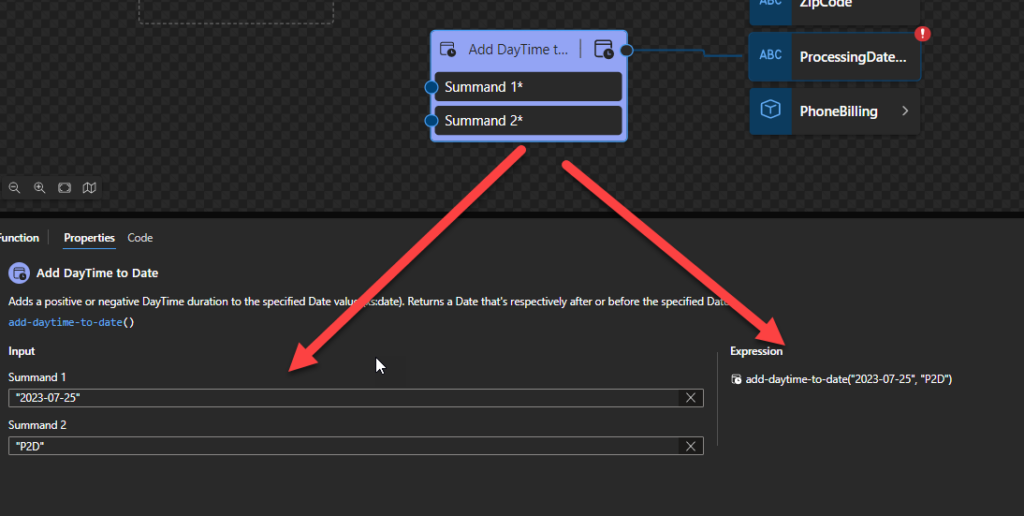
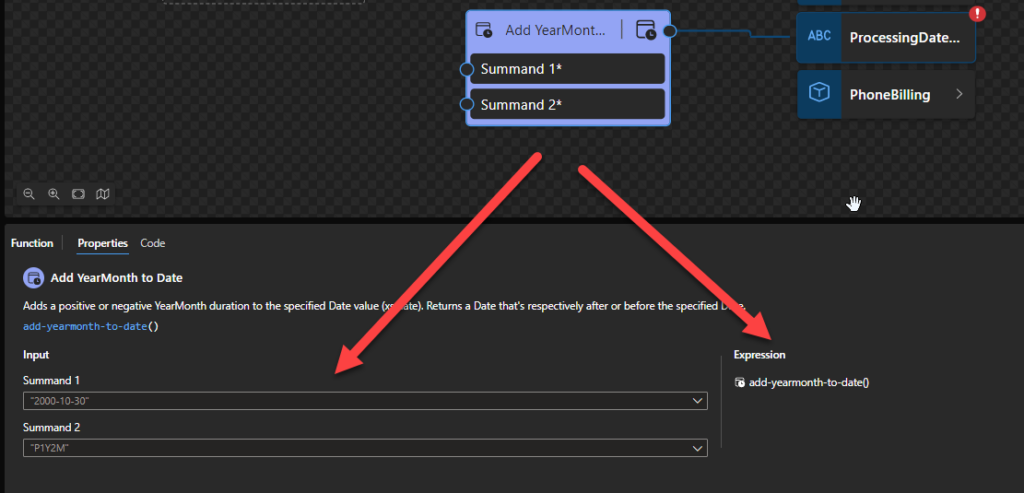
Add DayTime to Date: Adds a positive or negative DayTime duration to the specified Date value (xs:date). Returns a Date that’s respectively after or before the specified Date.
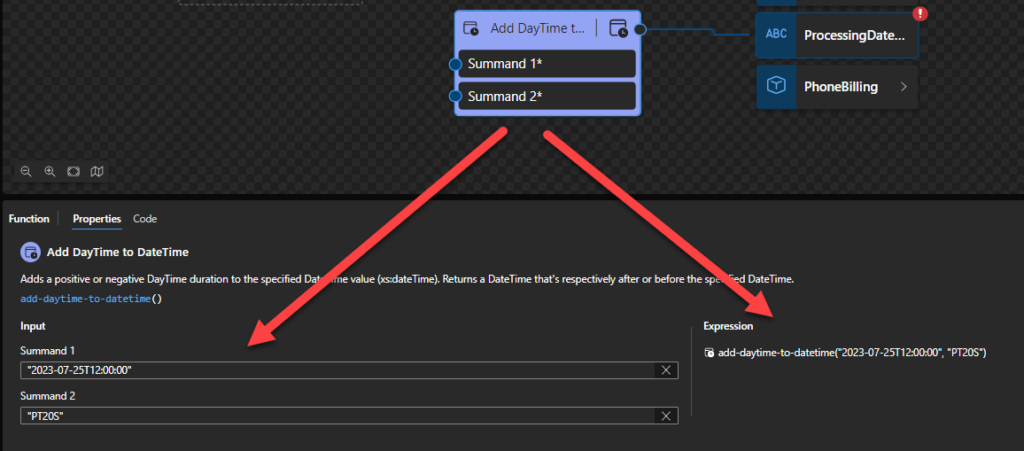
Add DayTime to DateTime: Adds a positive or negative DayTime duration to the specified DateTime value (xs:dateTime). Returns a DateTime that’s respectively after or before the specified DateTime.
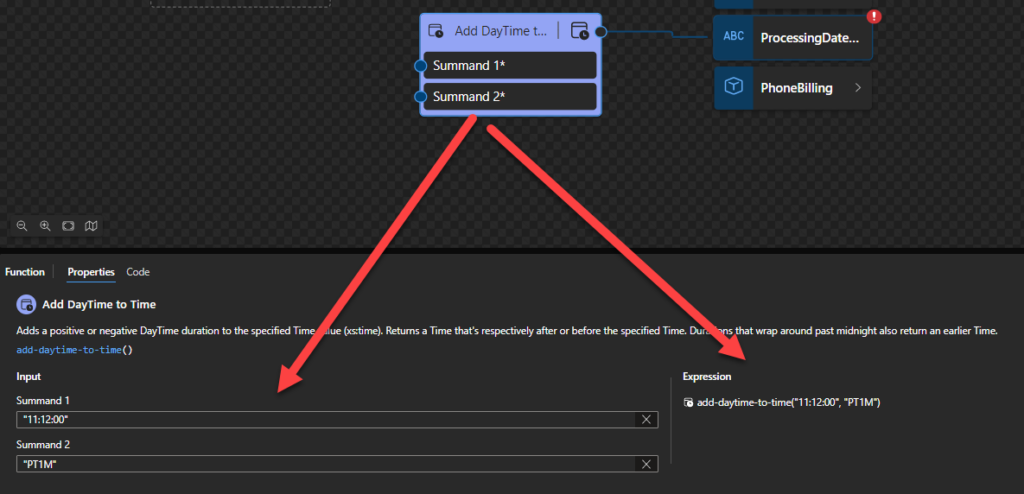
Add DayTime to Time: Adds a positive or negative DayTime duration to the specified Time value (xs:time). Returns a Time that’s respectively after or before the specified Time. Durations that wrap around past midnight also return an earlier Time.
Add YearMonth to DateTime: Adds a positive or negative YearMonth duration to the specified DateTime value (xs:dateTime). Returns a DateTime that’s respectively after or before the specified DateTime.
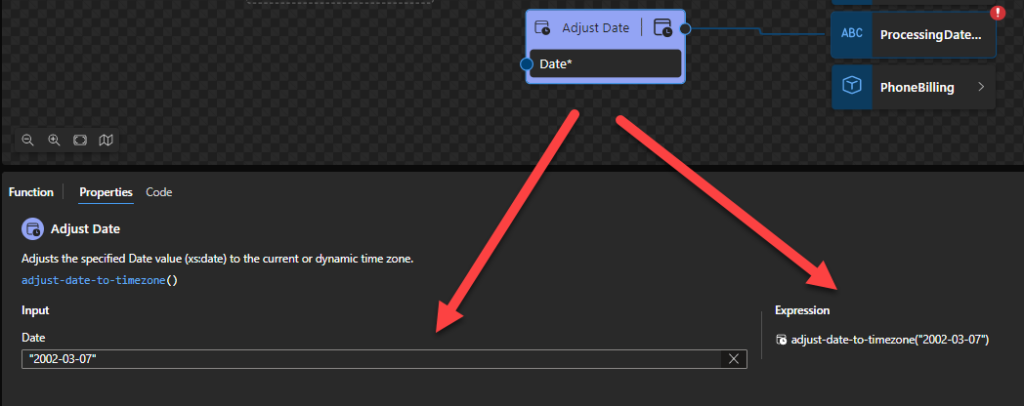
Adjust Date: Adjusts the specified Date value (xs:date) to the current or dynamic time zone.
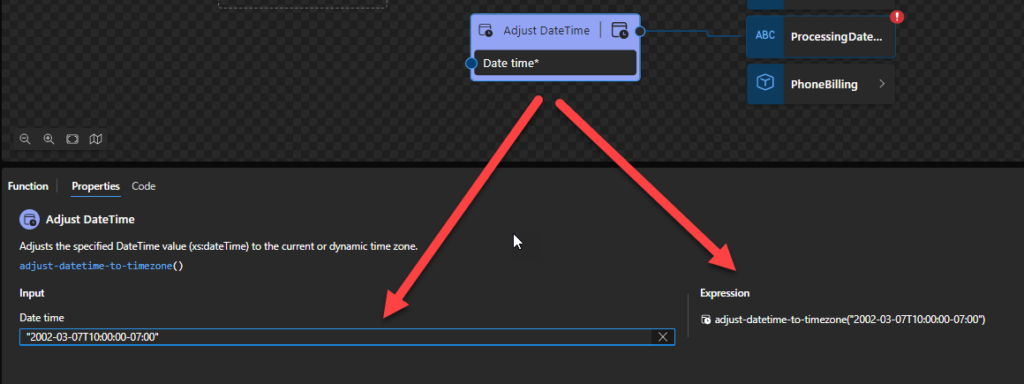
Adjust DateTime: Adjusts the specified DateTime value (xs:dateTime) to the current or dynamic time zone.
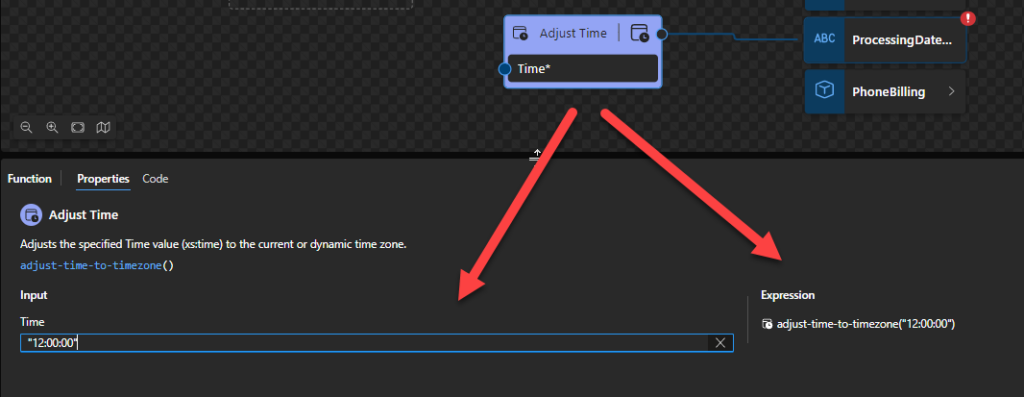
Adjust Time: Adjusts the specified Time value (xs:time) to the current or dynamic time zone.
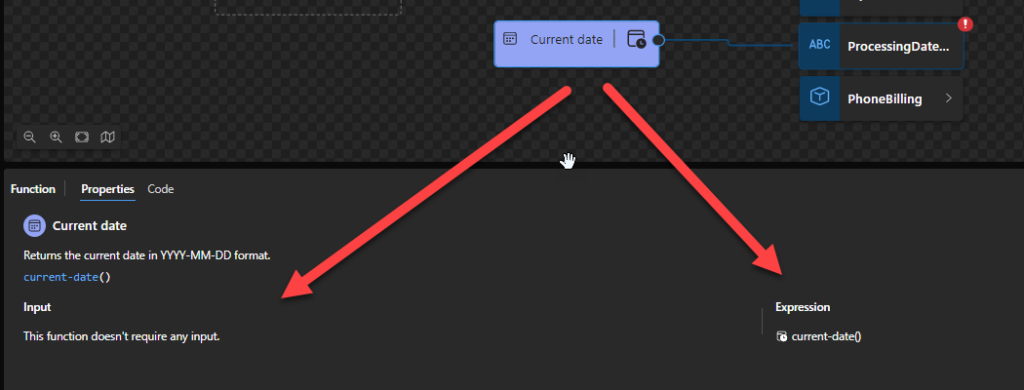
Current date: Returns the current date in YYYY-MM-DD format.
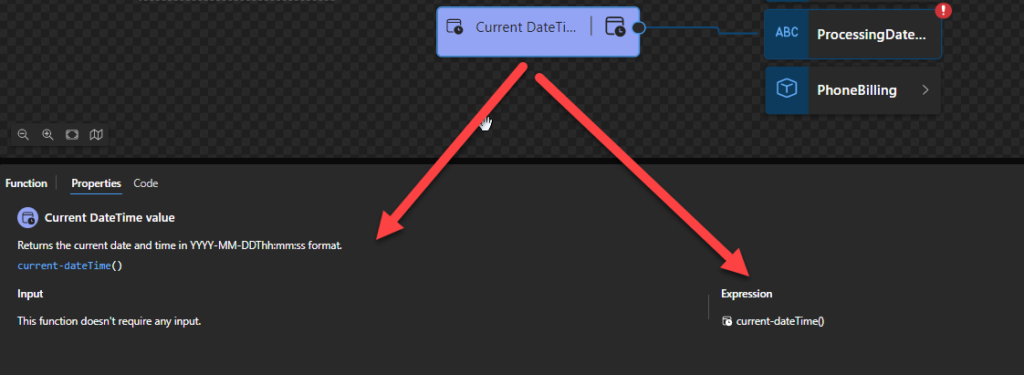
Current DateTime value: Returns the current date and time in YYYY-MM-DDThh:mm:ss format.
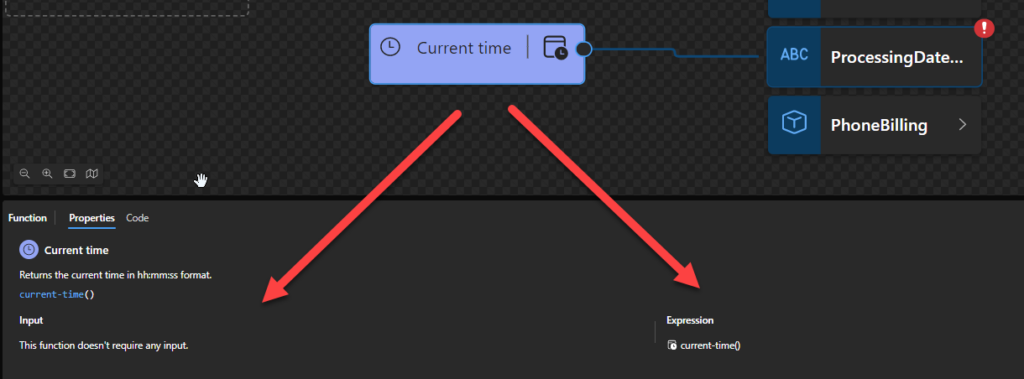
Current time: Returns the current date and time in YYYY-MM-DDThh:mm:ss format.
DateTime: Creates and returns a DateTime value based on the specified Date and Time.
Day from Date: Returns the day from the specified Date value (xs:date).
Day from DateTime: Returns the day from the specified DateTime value (xs:dateTime).
Equal Date: Returns true or false based on whether the specified Date values are equal.
Equal DateTime: Returns true or false based on whether with the specified DateTime values are equal.
Equal Day: Returns true or false based on whether the specified Day values (xs:gDay) are equal with the same starting time when the day values are in the same month and year.
Equal Month: Returns true or false based on whether the specified Month values (xs:gMonth) have the same starting time when the month values are in the same year.
Equal MonthDay: Returns true or false based on whether the specified MonthDay values (xs:gMonthDay) are equal with the same starting time when the day values are in the same year.
Equal Time: Returns true or false based on whether the specified Time values are equal.
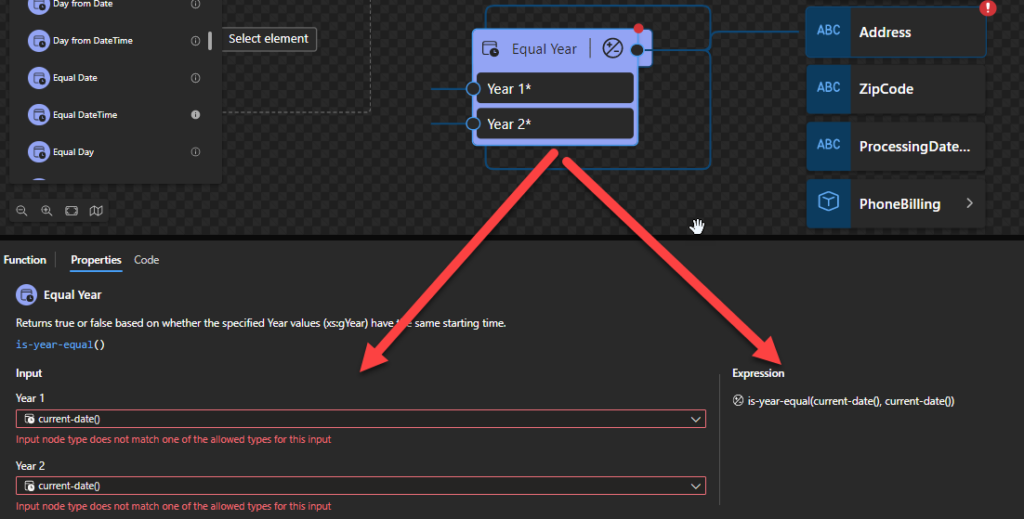
Equal Year: Returns true or false based on whether the specified Year values (xs:gYear) have the same starting time.
Equal YearMonth: Returns true or false based on whether the specified YearMonth values (xs:gYearMonth) are the same.
Greater Date: Returns true or false based on whether the first Date value is later than the second Date value.
Greater DateTime: Returns true or false based on whether the first DateTime value is later than the second DateTime value.
Greater Time: Returns true or false based on whether the first Time value is later than the second Time value.
Hours from DateTime: Returns the hours from the specified DateTime value (xs:dateTime).
Hours from Time: Returns the hours from the specified Time value (xs:time).
Less Date: Returns true or false based on whether the first Date value is earlier than the second Date value.
Less DateTime: Returns true or false based on whether the first DateTime value is earlier than the second DateTime value.
Less Time: Returns true or false based on whether the first Time value is earlier than the second Time value.
Minutes from DateTime: Returns the minutes from the specified DateTime value (xs:dateTime).
Minutes from Time: Returns the minutes from the specified Time value (xs:time).
Month from Date: Returns the month from the specified Date value (xs:date).
Month from DateTime: Returns the month from the specified DateTime value (xs:dateTime).
Seconds from DateTime: Returns the seconds from the specified DateTime value (xs:dateTime).
Seconds from Time: Returns the seconds from the specified Time value (xs:time).
Subtract Dates: Returns the DayTimeDuration value (xs:dayTimeDuration) representing the elapsed time between the starting times for the specified Date values.
Subtract DateTimes: Returns a DayTimeDuration value (xs:dayTimeDuration) representing the elapsed time between the specified DateTime values..
Subtract DateTime from Date: Subtracts a positive or negative DayTime duration from the specified Date value (xs:date). Returns a Date that’s respectively before or after the specified Date..
Subtract DateTime from DateTime: Subtracts a positive or negative DayTime duration from the specified DateTime value (xs:dateTime). Returns a DateTime that’s respectively before or after the specified DateTime.
Subtract DateTime from Time: Subtracts a positive or negative Time duration from the specified Time value (xs:time). Returns a Time that’s respectively before or after the specified Time. A duration that wraps around past midnight also returns a later Time.
Subtract Times: Returns a DayTime: Duration value (xs:dayTimeDuration) representing the elapsed time between the specified Time values, which are treated as times on the same date.
Subtract YearMonth from Date: Subtracts a positive or negative YearMonth duration from the specified Date value (xs:date). Returns a Date that’s respectively before or after the specified Date.
Subtract YearMonth from DateTime: Subtracts a positive or negative YearMonth duration from the specified DateTime value (xs:dateTime). Returns a DateTime that’s respectively before or after the specified DateTime.
Time zone from Date: Returns the time zone from the specified Date value (xs:date).
Time zone from DateTime: Returns the time zone from the specified DateTime value (xs:dateTime).
Time zone from Time: Returns the time zone from the specified Time value (xs:time).
Year from Date: Returns the year from the specified Date value (xs:date).
Year from DateTime: Returns the year from the specified DateTime value (xs:dateTime).
Time zone from Date
This function states that it will return the time zone from the specified Date value (xs:date).
Behind the scenes, this function is translated to the following XPath function: timezone-from-date($arg)
fn:timezone-from-date($arg as xs:date?) as xs:dayTimeDuration?
Rules:
The function returns the timezone component of $arg, if any. If $arg has a timezone component, then the result is an xs:dayTimeDuration that indicates deviation from UTC; its value may range from +14:00 to -14:00 hours, both inclusive. If $arg has no timezone component, the result is the empty sequence.
The $arg1 needs to be an xs:date in the following format yyyy-MM-DD-hh:mm or yyyy-MM-DDZ.
Sample:
The expression fn:timezone-from-date(xs:date("2023-07-29-05:00")) returns xs:dayTimeDuration("-PT5H").
The expression fn:timezone-from-date(xs:date("2023-07-29Z")) returns xs:dayTimeDuration("PT0S").
The expression fn:timezone-from-date(xs:date("2023-07-29")) returns ().
Time zone from DateTime
This function states that it will return the time zone from the specified DateTime value (xs:dateTime).
Behind the scenes, this function is translated to the following XPath function: timezone-from-dateTime($arg)
fn:timezone-from-dateTime($arg as xs:dateTime?) as xs:dayTimeDuration?
Rules:
The function returns the timezone component of $arg, if any. If $arg has a timezone component, the result indicates deviation from UTC; its value may range from +14:00 to -14:00 hours, both inclusive. If $arg has no timezone component, the result is an empty sequence.
The $arg1 needs to be an xs:dateTime in the following format yyyy-MM-DDTHH:mm:ssZ or yyyy-MM-DDTHH:mm:ss-hh:mm.
Sample:
The expression fn:timezone-from-dateTime(xs:dateTime("2023-07-29T13:20:00-05:00")) returns xs:dayTimeDuration("-PT5H").
The expression fn:timezone-from-dateTime(xs:dateTime("2023-07-29T13:20:00Z")) returns xs:dayTimeDuration("PT0S").
The expression fn:timezone-from-dateTime(xs:dateTime("2023-07-29T00:00:00")) returns ().
Time zone from Time
This function states that it will return the time zone from the specified Time value (xs:time).
Behind the scenes, this function is translated to the following XPath function: timezone-from-time($arg)
fn:timezone-from-time($arg as xs:time?) as xs:dayTimeDuration?
Rules:
The function returns the timezone component of $arg, if any. If $arg it has a timezone component, the result indicates deviation from UTC; its value may range from +14:00 to -14:00 hours, both inclusive. If $arg has no timezone component, the result is an empty sequence.
The $arg needs to be an xs:time in the following format HH:mm:ssZ or HH:mm:ss-hh:mm.
Sample:
The expression fn:timezone-from-time(xs:time("13:20:00-05:00")) returns xs:dayTimeDuration("-PT5H").
The expression fn:timezone-from-time(xs:time("13:20:00Z")) returns xs:dayTimeDuration("PT0S").
The expression fn:timezone-from-time(xs:time("13:20:00")) returns ().
Year from Date
This function states that it will return the year from the specified Date value (xs:date).
Behind the scenes, this function is translated to the following XPath function: year-from-date($arg)
fn:year-from-date($arg as xs:date?) as xs:integer?
Rules:
The function returns an xs:integer representing the year in the local value of $arg. The value may be negative.
The $arg needs to be an xs:date in the following format yyyy-MM-DD or yyyy-MM-DDZ.
Sample:
The expression fn:year-from-date(xs:date("2023-07-29")) returns 2023.
The expression fn:year-from-date(xs:date("2023-07-29+05:00")) returns 2023.
The expression fn:year-from-date(xs:date("-0002-06-01")) returns -2
Year from DateTime
This function states that it will return the year from the specified DateTime value (xs:dateTime).
Behind the scenes, this function is translated to the following XPath function: year-from-dateTime($arg)
fn:year-from-dateTime($arg as xs:dateTime?) as xs:integer?
Rules:
The function returns an xs:integer representing the year in the local value of $arg. The value may be negative.
The $arg needs to be an xs:dateTime in the following format yyyy-MM-DDTHH:mm:ss or yyyy-MM-DDTHH:mm:ss-hh:mm.
Sample:
The expression fn:year-from-dateTime(xs:dateTime("2023-07-29T21:30:00-05:00")) returns 2023.
The expression fn:year-from-dateTime(xs:dateTime("2023-07-29T19:20:00")) returns 2023.
The expression fn:year-from-dateTime(xs:dateTime("2021-12-31T24:00:00")) returns 2022.
The expression fn:year-from-dateTime(xs:dateTime("-0002-06-06T00:00:00")) returns -2
Hope you find this helpful! So, if you liked the content or found it useful and want to help me write more, you can buy (or help buy) my son a Star Wars Lego!
Author: Sandro Pereira
Sandro Pereira lives in Portugal and works as a consultant at DevScope. In the past years, he has been working on implementing Integration scenarios both on-premises and cloud for various clients, each with different scenarios from a technical point of view, size, and criticality, using Microsoft Azure, Microsoft BizTalk Server and different technologies like AS2, EDI, RosettaNet, SAP, TIBCO etc.
He is a regular blogger, international speaker, and technical reviewer of several BizTalk books all focused on Integration. He is also the author of the book “BizTalk Mapping Patterns & Best Practices”. He has been awarded MVP since 2011 for his contributions to the integration community.
View all posts by Sandro Pereira
Because the Date and Time functions category has too many functions, I decide to break this blog post into different parts, so welcome to the fourth part!
Overview
Date and Time functions are used to perform a variety of operations over Dates, such as retrieving the current date and time or adding dates, etc. If you come from the BizTalk Server background or are migrating BizTalk Server projects, they are the equivalent of Date/Time Functoids inside BizTalk Mapper Editor.
Available Functions
The Date and Time functoids are:
Add days: Adds a positive or negative number of days to the specified timestamp. Returns a timestamp that’s respectively later or earlier than the specified timestamp.
Add DayTime to Date: Adds a positive or negative DayTime duration to the specified Date value (xs:date). Returns a Date that’s respectively after or before the specified Date.
Add DayTime to DateTime: Adds a positive or negative DayTime duration to the specified DateTime value (xs:dateTime). Returns a DateTime that’s respectively after or before the specified DateTime.
Add DayTime to Time: Adds a positive or negative DayTime duration to the specified Time value (xs:time). Returns a Time that’s respectively after or before the specified Time. Durations that wrap around past midnight also return an earlier Time.
Add YearMonth to DateTime: Adds a positive or negative YearMonth duration to the specified DateTime value (xs:dateTime). Returns a DateTime that’s respectively after or before the specified DateTime.
Adjust Date: Adjusts the specified Date value (xs:date) to the current or dynamic time zone.
Adjust DateTime: Adjusts the specified DateTime value (xs:dateTime) to the current or dynamic time zone.
Adjust Time: Adjusts the specified Time value (xs:time) to the current or dynamic time zone.
Current date: Returns the current date in YYYY-MM-DD format.
Current DateTime value: Returns the current date and time in YYYY-MM-DDThh:mm:ss format.
Current time: Returns the current date and time in YYYY-MM-DDThh:mm:ss format.
DateTime: Creates and returns a DateTime value based on the specified Date and Time.
Day from Date: Returns the day from the specified Date value (xs:date).
Day from DateTime: Returns the day from the specified DateTime value (xs:dateTime).
Equal Date: Returns true or false based on whether the specified Date values are equal.
Equal DateTime: Returns true or false based on whether with the specified DateTime values are equal.
Equal Day: Returns true or false based on whether the specified Day values (xs:gDay) are equal with the same starting time when the day values are in the same month and year.
Equal Month: Returns true or false based on whether the specified Month values (xs:gMonth) have the same starting time when the month values are in the same year.
Equal MonthDay: Returns true or false based on whether the specified MonthDay values (xs:gMonthDay) are equal with the same starting time when the day values are in the same year.
Equal Time: Returns true or false based on whether the specified Time values are equal.
Equal Year: Returns true or false based on whether the specified Year values (xs:gYear) have the same starting time.
Equal YearMonth: Returns true or false based on whether the specified YearMonth values (xs:gYearMonth) are the same.
Greater Date: Returns true or false based on whether the first Date value is later than the second Date value.
Greater DateTime: Returns true or false based on whether the first DateTime value is later than the second DateTime value.
Greater Time: Returns true or false based on whether the first Time value is later than the second Time value.
Hours from DateTime: Returns the hours from the specified DateTime value (xs:dateTime).
Hours from Time: Returns the hours from the specified Time value (xs:time).
Less Date: Returns true or false based on whether the first Date value is earlier than the second Date value.
Less DateTime: Returns true or false based on whether the first DateTime value is earlier than the second DateTime value.
Less Time: Returns true or false based on whether the first Time value is earlier than the second Time value.
Minutes from DateTime: Returns the minutes from the specified DateTime value (xs:dateTime).
Minutes from Time: Returns the minutes from the specified Time value (xs:time).
Month from Date: Returns the month from the specified Date value (xs:date).
Month from DateTime: Returns the month from the specified DateTime value (xs:dateTime).
Seconds from DateTime: Returns the seconds from the specified DateTime value (xs:dateTime).
Seconds from Time: Returns the seconds from the specified Time value (xs:time).
Subtract Dates: Returns the DayTimeDuration value (xs:dayTimeDuration) representing the elapsed time between the starting times for the specified Date values.
Subtract DateTimes: Returns a DayTimeDuration value (xs:dayTimeDuration) representing the elapsed time between the specified DateTime values..
Subtract DateTime from Date: Subtracts a positive or negative DayTime duration from the specified Date value (xs:date). Returns a Date that’s respectively before or after the specified Date..
Subtract DateTime from DateTime: Subtracts a positive or negative DayTime duration from the specified DateTime value (xs:dateTime). Returns a DateTime that’s respectively before or after the specified DateTime.
Subtract DateTime from Time: Subtracts a positive or negative Time duration from the specified Time value (xs:time). Returns a Time that’s respectively before or after the specified Time. A duration that wraps around past midnight also returns a later Time.
Subtract Times: Returns a DayTimeDuration value (xs:dayTimeDuration) representing the elapsed time between the specified Time values, which are treated as times on the same date.
Subtract YearMonth from Date: Subtracts a positive or negative YearMonth duration from the specified Date value (xs:date). Returns a Date that’s respectively before or after the specified Date.
Subtract YearMonth from DateTime: Subtracts a positive or negative YearMonth duration from the specified DateTime value (xs:dateTime). Returns a DateTime that’s respectively before or after the specified DateTime.
Time zone from Date: Returns the time zone from the specified Date value (xs:date).
Time zone from DateTime: Returns the time zone from the specified DateTime value (xs:dateTime).
Time zone from Time: Returns the time zone from the specified Time value (xs:time).
Year from Date: Returns the year from the specified Date value (xs:date).
Year from DateTime: Returns the year from the specified DateTime value (xs:dateTime).
Seconds from DateTime
This function states that it will return the seconds from the specified DateTime value (xs:dateTime).
Behind the scenes, this function is translated to the following XPath function: seconds-from-dateTime($ard)
fn:seconds-from-dateTime($arg as xs:dateTime?) as xs:decimal?
Rules:
The function returns an xs:decimal value greater than or equal to zero and less than 60, representing the seconds and fractional seconds defined in $arg without adjusting the timezone.
The $arg needs to be an xs:dateTime in the following format yyyy-MM-DDTHH:mm:ss or yyyy-MM-DDTHH:mm:ss-hh:mm.
Sample:
The expression fn:seconds-from-dateTime(xs:dateTime("1999-05-31T13:20:32-05:00")) returns 32.
Seconds from Time
This function states that it will return the seconds from the specified Time value (xs:time).
Behind the scenes, this function is translated to the following XPath function: seconds-from-time($arg)
fn:seconds-from-time($arg as xs:time?) as xs:decimal?
Rules:
the function returns an xs:decimal value greater than or equal to zero and less than 60, representing the seconds and fractional seconds defined in $arg without adjusting the timezone.
The $arg needs to be an xs:time in the following format HH:mm:ss or HH:mm:ss-hh:mm.
Sample:
The expression fn:seconds-from-time(xs:time("13:20:10.5")) returns 10.5.
Subtract Dates
This function states that it will return the DayTimeDuration value (xs:dayTimeDuration) representing the elapsed time between the starting times for the specified Date values.
Behind the scenes, this function is translated to the following XPath expression: xs:dayTimeDuration(xs:date($arg1) – xs:date($arg2))
xs:dayTimeDuration(xs:date($arg1) – xs:date($arg2)) as xs:dayTimeDuration
Rules:
If the starting instant of $arg1 precedes in time the starting instant of $arg2, then the returned value is a negative duration.
Returns the xs:dayTimeDuration (for example, “PT2H12M”) that corresponds to the elapsed time between the starting instant of $arg1 and the starting instant of $arg2.
The $arg1 and $arg2 need to be an xs:date in the following format yyyy-MM-DD or yyyy-MM-DDZ.
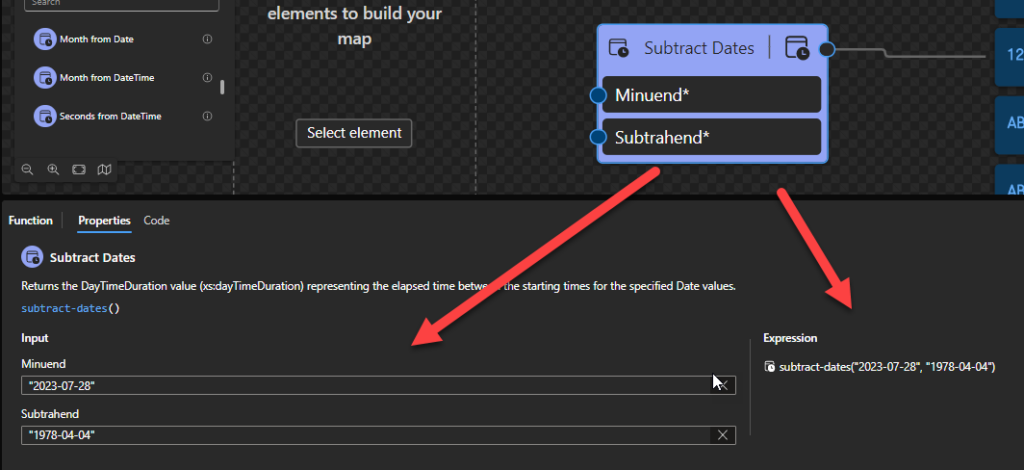
Sample:
The following Data Mapper transformation rule: subtract-dates(“2023-07-28”, “1978-04-04”) will be translated to {xs:dayTimeDuration(xs:date(‘2023-07-28’) – xs:date(‘1978-04-04’))} and the return will be P16551D.
Subtract DateTimes
This function states that it will return a DayTimeDuration value (xs:dayTimeDuration) representing the elapsed time between the specified DateTime values.
Behind the scenes, this function is translated to the following XPath expression: xs:dayTimeDuration(xs:dateTime($arg1) – xs:dateTime($arg2))
xs:dayTimeDuration(xs:dateTime($arg1) – xs:dateTime($arg2)) as xs:dayTimeDuration
Rules:
If the normalized value of $arg1 precedes in time the normalized value of $arg2, then the returned value is a negative duration.
Returns an xs:dayTimeDuration representing the amount of elapsed time between the instants arg2 and arg1.
The $arg1 and $arg2 need to be an xs:dateTime in the following format yyyy-MM-DDTHH:mm:ss or yyyy-MM-DDTHH:mm:ss-hh:mm.
Sample:
The following Data Mapper transformation rule: subtract-datetimes(“2023-07-28T23:00:00”, “1978-04-04T10:30:00”) will be translated to {xs:dayTimeDuration(xs:dateTime(‘2023-07-28T23:00:00’) – xs:dateTime(‘1978-04-04T10:30:00’))} and the return will be P16551DT12H30M.
Subtract DateTime from Date
This function states that it will subtract a positive or negative DayTime duration from the specified Date value (xs:date). Returns a Date that’s respectively before or after the specified Date.
Behind the scenes, this function is translated to the following XPath expression: xs:date(xs:date($arg1) – xs:dayTimeDuration($arg2))
xs:date(xs:date($arg1) – xs:dayTimeDuration($arg2)) as xs:date
Rules:
Returns the xs:date that is a given duration before a specified xs:date (or after, if the duration is negative).
The $arg1 needs to be an xs:date in the following format yyyy-MM-DD or yyyy-MM-DDZ.
The $arg1 needs to be an xs:dayTimeDuration in the ISO 8601 format. ISO-8601 standard was created to elaborate crystal clear language to talk about dates and periods and avoid misinterpretation. Where Duration (“how long“) is represented with the format P[n]Y[n]M[n]DT[n]H[n]M[n]S, where n is a number.
Sample:
The following Data Mapper transformation rule: subtract-daytime-from-date(“2023-07-28”, “P16551D”) will be translated to {xs:date(xs:date(‘2023-07-28’) – xs:dayTimeDuration(‘P16551D’))} and the return will be 1978-04-04.
Subtract DateTime from DateTime
This function states that it will subtract a positive or negative DayTime duration from the specified DateTime value (xs:dateTime). Returns a DateTime that’s respectively before or after the specified DateTime.
Behind the scenes, this function is translated to the following XPath expression: xs:dateTime(xs:dateTime($arg1) – xs:dayTimeDuration($arg2))
xs:dateTime(xs:dateTime($arg1) – xs:dayTimeDuration($arg2)) as xs:dateTime
Rules:
Returns the xs:dateTime that is a given duration before a specified xs:dateTime (or after, if the duration is negative).
The $arg1 needs to be an xs:dateTime in the following format yyyy-MM-DDTHH:mm:ss or yyyy-MM-DDTHH:mm:ss-hh:mm.
The $arg1 needs to be an xs:dayTimeDuration in the ISO 8601 format. ISO-8601 standard was created to elaborate crystal clear language to talk about dates and periods and avoid misinterpretation. Where Duration (“how long“) is represented with the format P[n]Y[n]M[n]DT[n]H[n]M[n]S, where n is a number.
Sample:
The following Data Mapper transformation rule: subtract-daytime-from-datetime(“2023-07-28T23:00:00”, “P16551DT12H30M”) will be translated to {xs:dateTime(xs:dateTime(‘2023-07-28T23:00:00’) – xs:dayTimeDuration(‘P16551DT12H30M’))} and the return will be 1978-04-04T10:30:00.
Subtract DateTime from Time
This function states that it will subtract a positive or negative Time duration from the specified Time value (xs:time). Returns a Time that’s respectively before or after the specified Time. A duration that wraps around past midnight also returns a later Time.
Behind the scenes, this function is translated to the following XPath expression: xs:time(xs:time($arg1) – xs:dayTimeDuration($arg2))
xs:time(xs:time($arg1) – xs:dayTimeDuration($arg2)) as xs:time
Rules:
Returns the xs:time value that is a given duration before a specified xs:time (or after, if the duration is negative or causes wrap-around past midnight)
The $arg1 needs to be an xs:time in the following format HH:mm:ss or HH:mm:ss-hh:mm.
The $arg1 needs to be an xs:dayTimeDuration in the ISO 8601 format. ISO-8601 standard was created to elaborate crystal clear language to talk about dates and periods and avoid misinterpretation. Where Duration (“how long“) is represented with the format P[n]Y[n]M[n]DT[n]H[n]M[n]S, where n is a number.
Sample:
The following Data Mapper transformation rule: subtract-daytime-from-time(“11:00:00”, “PT30M”) will be translated to {xs:time(xs:time(’11:00:00?) – xs:dayTimeDuration(‘PT30M’))} and the return will be 10:30:00.
Subtract Times
This function states that it will return a DayTimeDuration value (xs:dayTimeDuration) representing the elapsed time between the specified Time values, which are treated as times on the same date.
Behind the scenes, this function is translated to the following XPath expression: xs:dayTimeDuration(xs:time($arg1) – xs:time($arg2))
xs:dayTimeDuration(xs:time($arg1) – xs:time($arg2)) as xs:dayTimeDuration
Rules:
Returns the xs:dayTimeDuration that corresponds to the elapsed time between the values of $arg2 and $arg1 treated as times on the same date.
The $arg1 and $arg2 need to be an xs:time in the following format HH:mm:ss or HH:mm:ss-hh:mm.
Sample:
The following Data Mapper transformation rule: subtract-times(“10:30:00”, “10:00:00”) will be translated to {xs:dayTimeDuration(xs:time(’10:30:00?) – xs:time(’10:00:00?))} and the return will be PT30M.
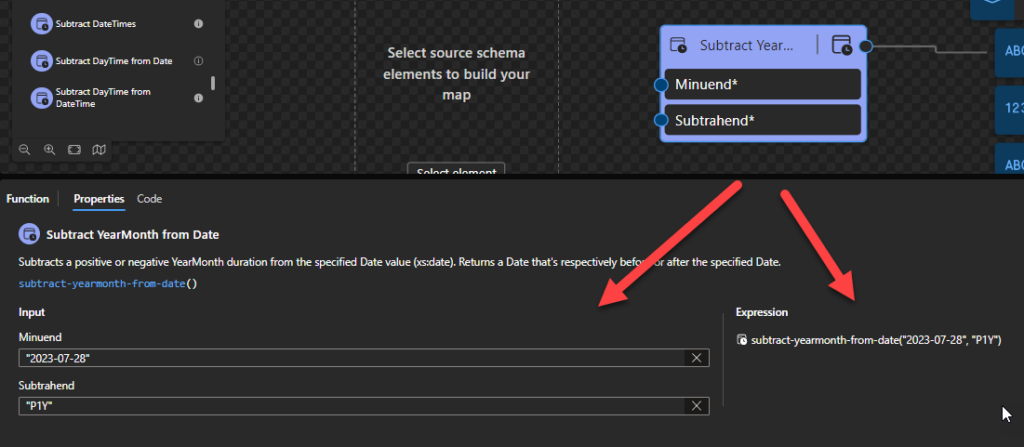
Subtract YearMonth from Date
This function states that it will subtract a positive or negative YearMonth duration from the specified Date value (xs:date). Returns a Date that’s respectively before or after the specified Date.
Behind the scenes, this function is translated to the following XPath expression: xs:date(xs:date($arg1) – xs:yearMonthDuration($arg2))
xs:date(xs:date($arg1) – xs:yearMonthDuration($arg2)) as xs:date
Rules:
Returns the xs:date that is a given duration after a specified xs:date (or before, if the duration is negative).
The $arg1 needs to be an xs:date in the following format yyyy-MM-DD or yyyy-MM-DDZ.
The $arg2 needs to be an interval in ISO 8601 format. ISO-8601 standard was created to elaborate crystal clear language to discuss dates and periods and avoid misinterpretation. Where Duration (“how long“) is represented with the format P[n]Y[n], where n is a number – xs:yearMonthDuration.
Sample:
The following Data Mapper transformation rule: subtract-yearmonth-from-date(“2023-07-28”, “P1Y”) will be translated to {xs:date(xs:date(‘2023-07-28’) – xs:yearMonthDuration(‘P1Y’))} and the return will be 2022-07-28.
Subtract YearMonth from DateTime
This function states that it will subtract a positive or negative YearMonth duration from the specified DateTime value (xs:dateTime). Returns a DateTime that’s respectively before or after the specified DateTime.
Behind the scenes, this function is translated to the following XPath expression: xs:dateTime(xs:dateTime($arg1) – xs:yearMonthDuration($arg2)
xs:dateTime(xs:dateTime($arg1) – xs:yearMonthDuration($arg2) as xs:dateTime
Rules:
Returns the xs:dateTime that is a given duration before a specified xs:dateTime (or after, if the duration is negative).
The $arg1 needs to be an xs:dateTime in the following format yyyy-MM-DDTHH:mm:ss or yyyy-MM-DDTHH:mm:ss-hh:mm.
The $arg2 needs to be an interval in ISO 8601 format. ISO-8601 standard was created to elaborate crystal clear language to discuss dates and periods and avoid misinterpretation. Where Duration (“how long“) is represented with the format P[n]Y[n], where n is a number – xs:yearMonthDuration.
Sample:
The following Data Mapper transformation rule: subtract-yearmonth-from-datetime(“2023-07-28T12:00:00”, “P1Y”) will be translated to {xs:dateTime(xs:dateTime(‘2023-07-28T12:00:00’) – xs:yearMonthDuration(‘P1Y’))} and the return will be 2022-07-28T12:00:00.
Stay tuned for the fifth part of this blog post.
Hope you find this helpful! So, if you liked the content or found it useful and want to help me write more, you can buy (or help buy) my son a Star Wars Lego!
Author: Sandro Pereira
Sandro Pereira lives in Portugal and works as a consultant at DevScope. In the past years, he has been working on implementing Integration scenarios both on-premises and cloud for various clients, each with different scenarios from a technical point of view, size, and criticality, using Microsoft Azure, Microsoft BizTalk Server and different technologies like AS2, EDI, RosettaNet, SAP, TIBCO etc.
He is a regular blogger, international speaker, and technical reviewer of several BizTalk books all focused on Integration. He is also the author of the book “BizTalk Mapping Patterns & Best Practices”. He has been awarded MVP since 2011 for his contributions to the integration community.
View all posts by Sandro Pereira
Because the Date and Time functions category has too many functions, I decide to break this blog post into different parts, so welcome to the third part!
Overview
Date and Time functions are used to perform a variety of operations over Dates, such as retrieving the current date and time or adding dates, etc. If you come from the BizTalk Server background or are migrating BizTalk Server projects, they are the equivalent of Date/Time Functoids inside BizTalk Mapper Editor.
Available Functions
The Date and Time functoids are:
Add days: Adds a positive or negative number of days to the specified timestamp. Returns a timestamp that’s respectively later or earlier than the specified timestamp.
Add DayTime to Date: Adds a positive or negative DayTime duration to the specified Date value (xs:date). Returns a Date that’s respectively after or before the specified Date.
Add DayTime to DateTime: Adds a positive or negative DayTime duration to the specified DateTime value (xs:dateTime). Returns a DateTime that’s respectively after or before the specified DateTime.
Add DayTime to Time: Adds a positive or negative DayTime duration to the specified Time value (xs:time). Returns a Time that’s respectively after or before the specified Time. Durations that wrap around past midnight also return an earlier Time.
Add YearMonth to DateTime: Adds a positive or negative YearMonth duration to the specified DateTime value (xs:dateTime). Returns a DateTime that’s respectively after or before the specified DateTime.
Adjust Date: Adjusts the specified Date value (xs:date) to the current or dynamic time zone.
Adjust DateTime: Adjusts the specified DateTime value (xs:dateTime) to the current or dynamic time zone.
Adjust Time: Adjusts the specified Time value (xs:time) to the current or dynamic time zone.
Current date: Returns the current date in YYYY-MM-DD format.
Current DateTime value: Returns the current date and time in YYYY-MM-DDThh:mm:ss format.
Current time: Returns the current date and time in YYYY-MM-DDThh:mm:ss format.
DateTime: Creates and returns a DateTime value based on the specified Date and Time.
Day from Date: Returns the day from the specified Date value (xs:date).
Day from DateTime: Returns the day from the specified DateTime value (xs:dateTime).
Equal Date: Returns true or false based on whether the specified Date values are equal.
Equal DateTime: Returns true or false based on whether with the specified DateTime values are equal.
Equal Day: Returns true or false based on whether the specified Day values (xs:gDay) are equal with the same starting time when the day values are in the same month and year.
Equal Month: Returns true or false based on whether the specified Month values (xs:gMonth) have the same starting time when the month values are in the same year.
Equal MonthDay: Returns true or false based on whether the specified MonthDay values (xs:gMonthDay) are equal with the same starting time when the day values are in the same year.
Equal Time: Returns true or false based on whether the specified Time values are equal.
Equal Year: Returns true or false based on whether the specified Year values (xs:gYear) have the same starting time.
Equal YearMonth: Returns true or false based on whether the specified YearMonth values (xs:gYearMonth) are the same.
Greater Date: Returns true or false based on whether the first Date value is later than the second Date value.
Greater DateTime: Returns true or false based on whether the first DateTime value is later than the second DateTime value.
Greater Time: Returns true or false based on whether the first Time value is later than the second Time value.
Hours from DateTime: Returns the hours from the specified DateTime value (xs:dateTime).
Hours from Time: Returns the hours from the specified Time value (xs:time).
Less Date: Returns true or false based on whether the first Date value is earlier than the second Date value.
Less DateTime: Returns true or false based on whether the first DateTime value is earlier than the second DateTime value.
Less Time: Returns true or false based on whether the first Time value is earlier than the second Time value.
Minutes from DateTime: Returns the minutes from the specified DateTime value (xs:dateTime).
Minutes from Time: Returns the minutes from the specified Time value (xs:time).
Month from Date: Returns the month from the specified Date value (xs:date).
Month from DateTime: Returns the month from the specified DateTime value (xs:dateTime).
Seconds from DateTime: Returns the seconds from the specified DateTime value (xs:dateTime).
Seconds from Time: Returns the seconds from the specified Time value (xs:time).
Subtract Dates: Returns the DayTimeDuration value (xs:dayTimeDuration) representing the elapsed time between the starting times for the specified Date values.
Subtract DateTimes: Returns a DayTimeDuration value (xs:dayTimeDuration) representing the elapsed time between the specified DateTime values..
Subtract DateTime from Date: Subtracts a positive or negative DayTime duration from the specified Date value (xs:date). Returns a Date that’s respectively before or after the specified Date..
Subtract DateTime from DateTime: Subtracts a positive or negative DayTime duration from the specified DateTime value (xs:dateTime). Returns a DateTime that’s respectively before or after the specified DateTime.
Subtract DateTime from Time: Subtracts a positive or negative Time duration from the specified Time value (xs:time). Returns a Time that’s respectively before or after the specified Time. A duration that wraps around past midnight also returns a later Time.
Subtract Times: Returns a DayTimeDuration value (xs:dayTimeDuration) representing the elapsed time between the specified Time values, which are treated as times on the same date.
Subtract YearMonth from Date: Subtracts a positive or negative YearMonth duration from the specified Date value (xs:date). Returns a Date that’s respectively before or after the specified Date.
Subtract YearMonth from DateTime: Subtracts a positive or negative YearMonth duration from the specified DateTime value (xs:dateTime). Returns a DateTime that’s respectively before or after the specified DateTime.
Time zone from Date: Returns the time zone from the specified Date value (xs:date).
Time zone from DateTime: Returns the time zone from the specified DateTime value (xs:dateTime).
Time zone from Time: Returns the time zone from the specified Time value (xs:time).
Year from Date: Returns the year from the specified Date value (xs:date).
Year from DateTime: Returns the year from the specified DateTime value (xs:dateTime).
Greater Date
This function states that it will return true or false based on whether the first Date value is later than the second Date value.
Behind the scenes, this function is translated to the following XPath expression: xs:date($arg1) > xs:date($arg2)
xs:date($arg1) > xs:date($arg2) as xs:boolean
Rules:
Returns true if and only if the starting instant of $arg1 is greater than the starting instant of $arg2. Returns false otherwise.
The $arg1 and $arg2 need to be an xs:date in the following format yyyy-MM-DD or yyyy-MM-DDZ.
Sample:
The following Data Mapper transformation rule: is-greater-than-date(“2013-07-28”, “2013-07-29”) will be translated to {xs:date(‘2013-07-28’) > xs:date(‘2013-07-29’)} and the return will be false.
Greater DateTime
This function states that it will return true or false based on whether the first DateTime value is later than the second DateTime value.
Behind the scenes, this function is translated to the following XPath expression: xs:dateTime($arg1) > xs:dateTime($arg2)
xs:dateTime($arg1) > xs:dateTime($arg2) as xs:boolean
Rules:
Returns true if the first argument represents a later instant in time than the second argument. Returns false otherwise.
The $arg1 and $arg2 need to be an xs:dateTime in the following format yyyy-MM-DDTHH:mm:ss or yyyy-MM-DDTHH:mm:ss-hh:mm.
Sample:
The following Data Mapper transformation rule: is-greater-than-datetime(“2023-07-25T12:00:00+01:00”, “2023-07-25T13:00:00+01:00”) will be translated to {xs:dateTime(‘2023-07-25T12:00:00+01:00’) > xs:dateTime(‘2023-07-25T13:00:00+01:00’)} and the return will be false.
Greater Time
This function states that it will return true or false based on whether the first Time value is later than the second Time value.
Behind the scenes, this function is translated to the following XPath expression: xs:time($arg1) > xs:time($arg2)
xs:time($arg1) > xs:time($arg2) as xs:boolean
Rules:
Returns true if the first xs:time value represents a later instant in time than the second, when both are treated as being times on the same date, before adjusting the timezone.
The $arg1 and $arg2 need to be an xs:time in the following format HH:mm:ss or HH:mm:ss-hh:mm.
Sample:
The following Data Mapper transformation rule: is-greater-than-time(“01:00:00”, “02:00:00”) will be translated to {xs:time(’01:00:00?) > xs:time(’02:00:00?)} and the return will be false.
Hours from DateTime
This function states that it will return the hours from the specified DateTime value (xs:dateTime).
Behind the scenes, this function is translated to the following XPath function: hours-from-dateTime($arg1)
fn:hours-from-dateTime($arg as xs:dateTime?) as xs:integer?
Rules:
Returns the hours component of an xs:dateTime without adjusting the timezone.
The $arg1 needs to be an xs:dateTime in the following format yyyy-MM-DDTHH:mm:ss or yyyy-MM-DDTHH:mm:ss-hh:mm.
Sample:
The expression fn:hours-from-dateTime(xs:dateTime("1999-05-31T08:20:00-05:00")) returns 8.
Hours from Time
This function states that it will return the hours from the specified Time value (xs:time).
Behind the scenes, this function is translated to the following XPath function: hours-from-time($arg1)
fn:hours-from-time($arg as xs:time?) as xs:integer?
Rules:
Returns the hours component of an xs:time without adjusting the timezone.
The $arg1 needs to be an xs:time in the following format HH:mm:ss or HH:mm:ss-hh:mm.
Sample:
The following Data Mapper transformation rule: is-less-than-datetime(“2023-07-25T12:00:00+01:00”, “2023-07-25T13:00:00+01:00”) will be translated to {xs:dateTime(‘2023-07-25T12:00:00+01:00’) > xs:dateTime(‘2023-07-25T13:00:00+01:00’)} and the return will be false.
Less Date
This function states that it will return true or false based on whether the first Date value is earlier than the second Date value.
Behind the scenes, this function is translated to the following XPath expression: xs:date($arg1) < xs:date($arg2)
xs:date($arg1) < xs:date($arg2) as xs:boolean
Rules:
Returns true if and only if the starting instant of $arg1 is less than the starting instant of $arg2. Returns false otherwise.
The $arg1 and $arg2 need to be an xs:date in the following format yyyy-MM-DD or yyyy-MM-DDZ.
Sample:
The following Data Mapper transformation rule: is-less-than-date(“2023-07-28”, “2023-07-29”) will be translated to {xs:date(‘2023-07-28’) < xs:date(‘2023-07-29’)} and the return will be true.
Less DateTime
This function states that it will return true or false based on whether the first DateTime value is earlier than the second DateTime value.
Behind the scenes, this function is translated to the following XPath function: xs:dateTime($arg1) < xs:dateTime($arg2)
xs:dateTime($arg1) < xs:dateTime($arg2) as xs:boolean
Rules:
Returns true if the first argument represents an earlier instant in time than the second argument.
The $arg1 and $arg2 need to be an xs:dateTime in the following format yyyy-MM-DDTHH:mm:ss or yyyy-MM-DDTHH:mm:ss-hh:mm.
Sample:
The following Data Mapper transformation rule: is-less-than-datetime(“2023-07-25T12:00:00+01:00”, “2023-07-25T13:00:00+01:00”) will be translated to {xs:dateTime(‘2023-07-25T12:00:00+01:00’) < xs:dateTime(‘2023-07-25T13:00:00+01:00’)} and the return will be true.
Less Time
This function states that it will return true or false based on whether the first Time value is earlier than the second Time value.
Behind the scenes, this function is translated to the following XPath function: xs:time($arg1) < xs:time($arg2)
xs:time($arg1) < xs:time($arg2) as xs:boolean
Rules:
Returns true if the first xs:time value represents an earlier instant in time than the second, when both are treated as being times on the same date, before adjusting the timezone.
The $arg1 and $arg2 need to be an xs:time in the following format HH:mm:ss or HH:mm:ss-hh:mm.
Sample:
The following Data Mapper transformation rule: is-less-than-time(“12:00:00”, “13:00:00”) will be translated to {xs:time(’12:00:00?) < xs:time(’13:00:00?)} and the return will be true.
Minutes from DateTime
This function states that it will return the minutes from the specified DateTime value (xs:dateTime).
Behind the scenes, this function is translated to the following XPath function: minutes-from-dateTime($arg)
fn:minutes-from-dateTime($arg as xs:dateTime?) as xs:integer?
Rules:
The function returns an xs:integer value between 0 and 59, both inclusive, representing the minute component defined in the $arg without adjusting the timezone.
The $arg needs to be an xs:dateTime in the following format yyyy-MM-DDTHH:mm:ss or yyyy-MM-DDTHH:mm:ss-hh:mm.
Sample:
The expression fn:minutes-from-dateTime(xs:dateTime("1999-05-31T13:30:00+05:30")) returns 30.
Minutes from Time
This function states that it will return the minutes from the specified Time value (xs:time).
Behind the scenes, this function is translated to the following XPath function: minutes-from-time($arg)
number($arg as xs:anyAtomicType?) as xs:boolean
Rules:
Returns the minutes component of an xs:time without adjusting the timezone.
The $arg needs to be an xs:time in the following format HH:mm:ss or HH:mm:ss-hh:mm.
Sample:
The expression fn:minutes-from-time(xs:time("13:00:00Z")) returns 0.
Month from Date
This function states that it will return the month from the specified Date value (xs:date).
Behind the scenes, this function is translated to the following XPath function: month-from-date($arg)
fn:month-from-date($arg as xs:date?) as xs:integer?
Rules:
The function returns an xs:integer between 1 and 12, both inclusive, representing the month component in the local value of $arg.
The $arg needs to be an xs:date in the following format yyyy-MM-DD or yyyy-MM-DDZ.
Sample:
The expression fn:month-from-date(xs:date("1999-05-31")) returns 5
Month from DateTime
This function states that it will return the month from the specified DateTime value (xs:dateTime).
Behind the scenes, this function is translated to the following XPath function: month-from-dateTime($arg)
number($arg as xs:anyAtomicType?) as xs:boolean
Rules:
The function returns an xs:integer between 1 and 12, both inclusive, representing the month defined on the $arg without adjusting the timezone.
The $arg needs to be an xs:dateTime in the following format yyyy-MM-DDTHH:mm:ss or yyyy-MM-DDTHH:mm:ss-hh:mm.
Sample:
The expression fn:month-from-dateTime(xs:dateTime("1999-05-31T13:20:00-05:00")) returns 5.
Stay tuned for the fourth part of this blog post.
Hope you find this helpful! So, if you liked the content or found it useful and want to help me write more, you can buy (or help buy) my son a Star Wars Lego!
Author: Sandro Pereira
Sandro Pereira lives in Portugal and works as a consultant at DevScope. In the past years, he has been working on implementing Integration scenarios both on-premises and cloud for various clients, each with different scenarios from a technical point of view, size, and criticality, using Microsoft Azure, Microsoft BizTalk Server and different technologies like AS2, EDI, RosettaNet, SAP, TIBCO etc.
He is a regular blogger, international speaker, and technical reviewer of several BizTalk books all focused on Integration. He is also the author of the book “BizTalk Mapping Patterns & Best Practices”. He has been awarded MVP since 2011 for his contributions to the integration community.
View all posts by Sandro Pereira
Because the Date and Time functions category has too many functions, I decide to break this blog post into different parts, so welcome to the second part!
Overview
Date and Time functions are used to perform a variety of operations over Dates, such as retrieving the current date and time or adding dates, etc. If you come from the BizTalk Server background or are migrating BizTalk Server projects, they are the equivalent of Date/Time Functoids inside BizTalk Mapper Editor.
Available Functions
The Date and Time functoids are:
Add days: Adds a positive or negative number of days to the specified timestamp. Returns a timestamp that’s respectively later or earlier than the specified timestamp.
Add DayTime to Date: Adds a positive or negative DayTime duration to the specified Date value (xs:date). Returns a Date that’s respectively after or before the specified Date.
Add DayTime to DateTime: Adds a positive or negative DayTime duration to the specified DateTime value (xs:dateTime). Returns a DateTime that’s respectively after or before the specified DateTime.
Add DayTime to Time: Adds a positive or negative DayTime duration to the specified Time value (xs:time). Returns a Time that’s respectively after or before the specified Time. Durations that wrap around past midnight also return an earlier Time.
Add YearMonth to DateTime: Adds a positive or negative YearMonth duration to the specified DateTime value (xs:dateTime). Returns a DateTime that’s respectively after or before the specified DateTime.
Adjust Date: Adjusts the specified Date value (xs:date) to the current or dynamic time zone.
Adjust DateTime: Adjusts the specified DateTime value (xs:dateTime) to the current or dynamic time zone.
Adjust Time: Adjusts the specified Time value (xs:time) to the current or dynamic time zone.
Current date: Returns the current date in YYYY-MM-DD format.
Current DateTime value: Returns the current date and time in YYYY-MM-DDThh:mm:ss format.
Current time: Returns the current date and time in YYYY-MM-DDThh:mm:ss format.
DateTime: Creates and returns a DateTime value based on the specified Date and Time.
Day from Date: Returns the day from the specified Date value (xs:date).
Day from DateTime: Returns the day from the specified DateTime value (xs:dateTime).
Equal Date: Returns true or false based on whether the specified Date values are equal.
Equal DateTime: Returns true or false based on whether with the specified DateTime values are equal.
Equal Day: Returns true or false based on whether the specified Day values (xs:gDay) are equal with the same starting time when the day values are in the same month and year.
Equal Month: Returns true or false based on whether the specified Month values (xs:gMonth) have the same starting time when the month values are in the same year.
Equal MonthDay: Returns true or false based on whether the specified MonthDay values (xs:gMonthDay) are equal with the same starting time when the day values are in the same year.
Equal Time: Returns true or false based on whether the specified Time values are equal.
Equal Year: Returns true or false based on whether the specified Year values (xs:gYear) have the same starting time.
Equal YearMonth: Returns true or false based on whether the specified YearMonth values (xs:gYearMonth) are the same.
Greater Date: Returns true or false based on whether the first Date value is later than the second Date value.
Greater DateTime: Returns true or false based on whether the first DateTime value is later than the second DateTime value.
Greater Time: Returns true or false based on whether the first Time value is later than the second Time value.
Hours from DateTime: Returns the hours from the specified DateTime value (xs:dateTime).
Hours from Time: Returns the hours from the specified Time value (xs:time).
Less Date: Returns true or false based on whether the first Date value is earlier than the second Date value.
Less DateTime: Returns true or false based on whether the first DateTime value is earlier than the second DateTime value.
Less Time: Returns true or false based on whether the first Time value is earlier than the second Time value.
Minutes from DateTime: Returns the minutes from the specified DateTime value (xs:dateTime).
Minutes from Time: Returns the minutes from the specified Time value (xs:time).
Month from Date: Returns the month from the specified Date value (xs:date).
Month from DateTime: Returns the month from the specified DateTime value (xs:dateTime).
Seconds from DateTime: Returns the seconds from the specified DateTime value (xs:dateTime).
Seconds from Time: Returns the seconds from the specified Time value (xs:time).
Subtract Dates: Returns the DayTimeDuration value (xs:dayTimeDuration) representing the elapsed time between the starting times for the specified Date values.
Subtract DateTimes: Returns a DayTimeDuration value (xs:dayTimeDuration) representing the elapsed time between the specified DateTime values..
Subtract DateTime from Date: Subtracts a positive or negative DayTime duration from the specified Date value (xs:date). Returns a Date that’s respectively before or after the specified Date..
Subtract DateTime from DateTime: Subtracts a positive or negative DayTime duration from the specified DateTime value (xs:dateTime). Returns a DateTime that’s respectively before or after the specified DateTime.
Subtract DateTime from Time: Subtracts a positive or negative Time duration from the specified Time value (xs:time). Returns a Time that’s respectively before or after the specified Time. A duration that wraps around past midnight also returns a later Time.
Subtract Times: Returns a DayTimeDuration value (xs:dayTimeDuration) representing the elapsed time between the specified Time values, which are treated as times on the same date.
Subtract YearMonth from Date: Subtracts a positive or negative YearMonth duration from the specified Date value (xs:date). Returns a Date that’s respectively before or after the specified Date.
Subtract YearMonth from DateTime: Subtracts a positive or negative YearMonth duration from the specified DateTime value (xs:dateTime). Returns a DateTime that’s respectively before or after the specified DateTime.
Time zone from Date: Returns the time zone from the specified Date value (xs:date).
Time zone from DateTime: Returns the time zone from the specified DateTime value (xs:dateTime).
Time zone from Time: Returns the time zone from the specified Time value (xs:time).
Year from Date: Returns the year from the specified Date value (xs:date).
Year from DateTime: Returns the year from the specified DateTime value (xs:dateTime).
DateTime
This function states that it will create and returns a DateTime value based on the specified Date and Time.
Behind the scenes, this function is translated to the following XPath function: dateTime(xs:date($arg1), xs:time($arg1))
dateTime(xs:date($arg1), xs:time($arg1)) as xs:dateTime
Rules:
The $arg1 needs to be an xs:date in the following format yyyy-MM-DD or yyyy-MM-DDZ.
The $arg2 needs to be an xs:time in the following format HH:mm:ss or HH:mm:ss-hh:mm.
Sample:
The following Data Mapper transformation rule: datetime(“2023-07-27”, “12:00:00”) will be translated to {dateTime(xs:date(‘2023-07-27?), xs:time(’12:00:00’))} and the return will be 2023-07-27T12:00:00
Day from Date
This function states that it will return the day from the specified Date value (xs:date).
Behind the scenes, this function is translated to the following XPath function: day-from-date(xs:date($arg))
fn:day-from-date($arg as xs:date?) as xs:integer?
Rules:
The function returns an xs:integer between 1 and 31, both inclusive, representing the day component in the localized value of $arg.
The $arg needs to be an xs:date in the following format yyyy-MM-DD or yyyy-MM-DDZ.
Sample:
The following Data Mapper transformation rule: day-from-date(“2023-07-27”) will be translated to {day-from-date(xs:date(‘2023-07-27’))} and the return will be 27.
Day from DateTime
This function states that it will return the day from the specified DateTime value (xs:dateTime).
Behind the scenes, this function is translated to the following XPath function: day-from-dateTime(xs:dateTime($arg))
fn:day-from-dateTime($arg as xs:dateTime?) as xs:integer?
Rules:
The function returns an xs:integer between 1 and 31, both inclusive, representing the day component in the localized value of $arg.
The $arg needs to be an xs:dateTime in the following format yyyy-MM-DDTHH:mm:ss or yyyy-MM-DDTHH:mm:ss-hh:mm.
Sample:
The following Data Mapper transformation rule: day-from-datetime(“2023-07-27T12:00:00”) will be translated to {day-from-dateTime(xs:dateTime(‘2023-07-27T12:00:00’))} and the return will be 27.
Equal Date
This function states that it will return true or false based on whether the specified Date values are equal.
Behind the scenes, this function is translated to the following XPath expression: xs:date($arg1) = xs:date($arg2)
xs:date($arg1) = xs:date($arg2) as xs:boolean
Rules:
The $arg1 and $arg2 need to be an xs:date in the following format yyyy-MM-DD or yyyy-MM-DD-hh:mm
Sample:
The following Data Mapper transformation rule: is-equal-date(current-date(), current-date()) will be translated to {xs:date(current-date()) = xs:date(current-date())} and the return will be true.
Equal DateTime
This function states that it will return true or false based on whether with the specified DateTime values are equal.
Behind the scenes, this function is translated to the following XPath expression: xs:dateTime($arg1) = xs:dateTime($arg2)
xs:dateTime($arg1) = xs:dateTime($arg2) as xs:boolean
Rules:
The $arg1 and $arg2 need to be an xs:dateTime in the following format yyyy-MM-DDTHH:mm:ss or yyyy-MM-DDTHH:mm:ss-hh:mm.
Sample:
The following Data Mapper transformation rule: is-equal-datetime(current-dateTime(), current-dateTime()) will be translated to {xs:dateTime(current-dateTime()) = xs:dateTime(current-dateTime())} and the return will be true.
Equal Day
This function states that it will return true or false based on whether the specified Day values (xs:gDay) are equal with the same starting time when the day values are in the same month and year.
Behind the scenes, this function is translated to the following XPath expression: xs:gDay($arg1) = xs:gDay($arg2)
xs:gDay($arg1) = xs:gDay($arg2) as xs:boolean
Rules:
Returns true if the two xs:gDay values (xs:gDay(“—25-14:00”)) have the same starting instant, when considered as days in the same month of the same year.
Sample:
The following Data Mapper transformation rule: is-day-equal(day-from-date(…), day-from-date(…)) will be translated to xs:gDay(day-from-date(xs:date(‘2023-07-27’))) = xs:gDay(day-from-date(xs:date(‘2023-07-27’)))} and the return will be true.
Equal Month
This function states that it will return true or false based on whether the specified Month values (xs:gMonth) have the same starting time when the month values are in the same year.
Behind the scenes, this function is translated to the following XPath expression: xs:gMonth($arg1) = xs:gMonth($arg2)
xs:gMonth($arg1) = xs:gMonth($arg2) as xs:boolean
Rules:
Returns true if the two xs:gMonth values (xs:gMonth(“–12-14:00”)) have the same starting instant, when considered as months in the same year.
Sample:
The following Data Mapper transformation rule: is-month-equal(current-date(), current-date()) will be translated to {xs:gMonth(current-date()) = xs:gMonth(current-date())} and the return will be true.
Equal MonthDay
This function states that it will return true or false based on whether the specified MonthDay values (xs:gMonthDay) are equal with the same starting time when the day values are in the same year.
Behind the scenes, this function is translated to the following XPath expression: xs:gMonthDay($arg1) = xs:gMonthDay($arg2)
xs:gMonthDay($arg1) = xs:gMonthDay($arg2) as xs:boolean
Rules:
Returns true if the two xs:gMonthDay values (xs:gMonthDay(“–12-25-14:00”)) have the same starting instant, when considered as days in the same year.
Sample:
The following Data Mapper transformation rule: is-monthday-equal(current-date(), current-date()) will be translated to {xs:gMonthDay(current-date()) = xs:gMonthDay(current-date())} and the return will be true.
Equal Time
This function states that it will return true or false based on whether the specified Time values are equal.
Behind the scenes, this function is translated to the following XPath expression: xs:time($arg1) = xs:time($arg2)
xs:time($arg1) = xs:time($arg2) as xs:boolean
Rules:
Returns true if the two xs:time values represent the same instant in time, when treated as being times on the same date, before adjusting the timezone.
Sample:
The following Data Mapper transformation rule: is-equal-time(current-time(), current-time()) will be translated to xs:time(current-time()) = xs:time(current-time()) and the return will be true.
Equal Year
This function states that it will return true or false based on whether the specified Year values (xs:gYear) have the same starting time.
Behind the scenes, this function is translated to the following XPath expression: xs:gYear($arg1) = xs:gYear($arg2)
xs:gYear($arg1) = xs:gYear($arg2) as xs:boolean
Rules:
Returns true if the two xs:gYear values (xs:gYear(“2005+12:00”)) have the same starting instant.
Sample:
The following Data Mapper transformation rule: is-year-equal(current-date(), current-date()) will be translated to {xs:gYear(current-date()) = xs:gYear(current-date())} and the return will be true.
Equal YearMonth
This function states that it will return true or false based on whether the specified YearMonth values (xs:gYearMonth) are the same.
Behind the scenes, this function is translated to the following XPath expression: xs:gYearMonth($arg1) = xs:gYearMonth($arg2)
xs:gYearMonth($arg1) = xs:gYearMonth($arg2) as xs:boolean
Rules:
Returns true if the two xs:gYearMonth values (xs:gYearMonth(“1986-02”)) have the same starting instant.
Sample:
The following Data Mapper transformation rule: is-yearmonth-equal(current-date(), current-date()) will be translated to {xs:gYearMonth(current-date()) = xs:gYearMonth(current-date())} and the return will be true.
Stay tuned for the third part of this blog post.
Hope you find this helpful! So, if you liked the content or found it useful and want to help me write more, you can buy (or help buy) my son a Star Wars Lego!
Author: Sandro Pereira
Sandro Pereira lives in Portugal and works as a consultant at DevScope. In the past years, he has been working on implementing Integration scenarios both on-premises and cloud for various clients, each with different scenarios from a technical point of view, size, and criticality, using Microsoft Azure, Microsoft BizTalk Server and different technologies like AS2, EDI, RosettaNet, SAP, TIBCO etc.
He is a regular blogger, international speaker, and technical reviewer of several BizTalk books all focused on Integration. He is also the author of the book “BizTalk Mapping Patterns & Best Practices”. He has been awarded MVP since 2011 for his contributions to the integration community.
View all posts by Sandro Pereira
Date and Time functions are used to perform a variety of operations over Dates, such as retrieving the current date and time or adding dates, etc. If you come from the BizTalk Server background or are migrating BizTalk Server projects, they are the equivalent of Date/Time Functoids inside BizTalk Mapper Editor.
Available Functions
The Date and Time functoids are:
Add days: Adds a positive or negative number of days to the specified timestamp. Returns a timestamp that’s respectively later or earlier than the specified timestamp.
Add DayTime to Date: Adds a positive or negative DayTime duration to the specified Date value (xs:date). Returns a Date that’s respectively after or before the specified Date.
Add DayTime to DateTime: Adds a positive or negative DayTime duration to the specified DateTime value (xs:dateTime). Returns a DateTime that’s respectively after or before the specified DateTime.
Add DayTime to Time: Adds a positive or negative DayTime duration to the specified Time value (xs:time). Returns a Time that’s respectively after or before the specified Time. Durations that wrap around past midnight also return an earlier Time.
Add YearMonth to DateTime: Adds a positive or negative YearMonth duration to the specified DateTime value (xs:dateTime). Returns a DateTime that’s respectively after or before the specified DateTime.
Adjust Date: Adjusts the specified Date value (xs:date) to the current or dynamic time zone.
Adjust DateTime: Adjusts the specified DateTime value (xs:dateTime) to the current or dynamic time zone.
Adjust Time: Adjusts the specified Time value (xs:time) to the current or dynamic time zone.
Current date: Returns the current date in YYYY-MM-DD format.
Current DateTime value: Returns the current date and time in YYYY-MM-DDThh:mm:ss format.
Current time: Returns the current date and time in YYYY-MM-DDThh:mm:ss format.
DateTime: Creates and returns a DateTime value based on the specified Date and Time.
Day from Date: Returns the day from the specified Date value (xs:date).
Day from DateTime: Returns the day from the specified DateTime value (xs:dateTime).
Equal Date: Returns true or false based on whether the specified Date values are equal.
Equal DateTime: Returns true or false based on whether with the specified DateTime values are equal.
Equal Day: Returns true or false based on whether the specified Day values (xs:gDay) are equal with the same starting time when the day values are in the same month and year.
Equal Month: Returns true or false based on whether the specified Month values (xs:gMonth) have the same starting time when the month values are in the same year.
Equal MonthDay: Returns true or false based on whether the specified MonthDay values (xs:gMonthDay) are equal with the same starting time when the day values are in the same year.
Equal Time: Returns true or false based on whether the specified Time values are equal.
Equal Year: Returns true or false based on whether the specified Year values (xs:gYear) have the same starting time.
Equal YearMonth: Returns true or false based on whether the specified YearMonth values (xs:gYearMonth) are the same.
Greater Date: Returns true or false based on whether the first Date value is later than the second Date value.
Greater DateTime: Returns true or false based on whether the first DateTime value is later than the second DateTime value.
Greater Time: Returns true or false based on whether the first Time value is later than the second Time value.
Hours from DateTime: Returns the hours from the specified DateTime value (xs:dateTime).
Hours from Time: Returns the hours from the specified Time value (xs:time).
Less Date: Returns true or false based on whether the first Date value is earlier than the second Date value.
Less DateTime: Returns true or false based on whether the first DateTime value is earlier than the second DateTime value.
Less Time: Returns true or false based on whether the first Time value is earlier than the second Time value.
Minutes from DateTime: Returns the minutes from the specified DateTime value (xs:dateTime).
Minutes from Time: Returns the minutes from the specified Time value (xs:time).
Month from Date: Returns the month from the specified Date value (xs:date).
Month from DateTime: Returns the month from the specified DateTime value (xs:dateTime).
Seconds from DateTime: Returns the seconds from the specified DateTime value (xs:dateTime).
Seconds from Time: Returns the seconds from the specified Time value (xs:time).
Subtract Dates: Returns the DayTimeDuration value (xs:dayTimeDuration) representing the elapsed time between the starting times for the specified Date values.
Subtract DateTimes: Returns a DayTimeDuration value (xs:dayTimeDuration) representing the elapsed time between the specified DateTime values..
Subtract DateTime from Date: Subtracts a positive or negative DayTime duration from the specified Date value (xs:date). Returns a Date that’s respectively before or after the specified Date..
Subtract DateTime from DateTime: Subtracts a positive or negative DayTime duration from the specified DateTime value (xs:dateTime). Returns a DateTime that’s respectively before or after the specified DateTime.
Subtract DateTime from Time: Subtracts a positive or negative Time duration from the specified Time value (xs:time). Returns a Time that’s respectively before or after the specified Time. A duration that wraps around past midnight also returns a later Time.
Subtract Times: Returns a DayTimeDuration value (xs:dayTimeDuration) representing the elapsed time between the specified Time values, which are treated as times on the same date.
Subtract YearMonth from Date: Subtracts a positive or negative YearMonth duration from the specified Date value (xs:date). Returns a Date that’s respectively before or after the specified Date.
Subtract YearMonth from DateTime: Subtracts a positive or negative YearMonth duration from the specified DateTime value (xs:dateTime). Returns a DateTime that’s respectively before or after the specified DateTime.
Time zone from Date: Returns the time zone from the specified Date value (xs:date).
Time zone from DateTime: Returns the time zone from the specified DateTime value (xs:dateTime).
Time zone from Time: Returns the time zone from the specified Time value (xs:time).
Year from Date: Returns the year from the specified Date value (xs:date).
Year from DateTime: Returns the year from the specified DateTime value (xs:dateTime).
Add days
This function states that it will add a positive or negative number of days to the specified timestamp. Returns a timestamp that’s respectively later or earlier than the specified timestamp.
To be documented in the future.
Add DayTime to Date
This function states that it will add a positive or negative DayTime duration to the specified Date value (xs:date). Returns a Date that’s respectively after or before the specified Date.
Behind the scenes, this function is translated to the following XPath function: xs:date(xs:date($arg1) + xs:dayTimeDuration($arg2))
The expression xs:date(xs:date($arg1) + xs:dayTimeDuration($arg2)) returns xs:date
Rules:
The $arg1 needs to be an xs:date in the following format yyyy-MM-DD or yyyy-MM-DDZ.
The $arg2 needs to be an interval in ISO 8601 format. ISO-8601 standard was created to elaborate crystal clear language to discuss dates and periods and avoid misinterpretation. Where Duration (“how long“) is represented with the format P[n]Y[n]M[n]DT[n]H[n]M[n]S, where n is a number.
The letters mean the representation of date and time:
P express that this is a period format and should be the first character;
Y for years; M for months; D for days;
T is the delimiter for the time;
H for hours; M for minutes; S for seconds;
Therefore PT means Period of Time.
PT20S: parses as 20 seconds.
PT15M: parses as 15 minutes (where a minute is 60 seconds).
PT10H: parses as 10 hours (where an hour is 3600 seconds).
P2D: parses as 2 days (where a day is 24 hours or 86400 seconds).
P2DT3H4M: parses as 2 days, 3 hours, and 4 minutes.
Sample:
The following Data Mapper transformation rule: add-daytime-to-date(“2023-07-25”, “P2D”) will be translated to {xs:date(xs:date(‘2023-07-25’) + xs:dayTimeDuration(‘P2D’))} and the return will be 2023-07-27
Add DayTime to DateTime
This function states that it will add a positive or negative DayTime duration to the specified DateTime value (xs:dateTime). Returns a DateTime that’s respectively after or before the specified DateTime.
Behind the scenes, this function is translated to the following XPath function: xs:dateTime(xs:dateTime($arg1) + xs:dayTimeDuration($arg1))
The expression xs:dateTime(xs:dateTime($arg1) + xs:dayTimeDuration($arg1)) returns xs:dateTime
Rules:
The $arg1 needs to be an xs:dateTime in the following format yyyy-MM-DDTHH:mm:ss or yyyy-MM-DDTHH:mm:ss-hh:mm.
The $arg2 needs to be an interval in ISO 8601 format. ISO-8601 standard was created to elaborate crystal clear language to talk about dates and periods and avoid misinterpretation. Where Duration (“how long“) is represented with the format P[n]Y[n]M[n]DT[n]H[n]M[n]S, where n is a number.
The letters mean the representation of date and time:
P express that this is a period format and should be the first character;
Y for years; M for months; D for days;
T is the delimiter for the time;
H for hours; M for minutes; S for seconds;
Therefore PT means Period of Time.
PT20S: parses as 20 seconds.
PT15M: parses as 15 minutes (where a minute is 60 seconds).
PT10H: parses as 10 hours (where an hour is 3600 seconds).
P2D: parses as 2 days (where a day is 24 hours or 86400 seconds).
P2DT3H4M: parses as 2 days, 3 hours, and 4 minutes.
Sample:
The following Data Mapper transformation rule: add-daytime-to-datetime(“2023-07-25T12:00:00”, “PT20S”) will be translated to {xs:dateTime(xs:dateTime(‘2023-07-25T12:00:00’) + xs:dayTimeDuration(‘PT20S’))} and the return will be 2023-07-25T12:00:20
Add DayTime to Time
This function states that it will add a positive or negative DayTime duration to the specified Time value (xs:time). Returns a Time that’s respectively after or before the specified Time. Durations that wrap around past midnight also return at an earlier Time.
Behind the scenes, this function is translated to the following XPath function: xs:time(xs:time($arg1) + xs:dayTimeDuration($arg2))
The expressionxs:time(xs:time($arg1) + xs:dayTimeDuration($arg2)) returns xs:time
Rules:
The $arg1 needs to be an xs:time in the following format HH:mm:ss or HH:mm:ss-hh:mm.
The $arg2 needs to be an interval in ISO 8601 format. ISO-8601 standard was created to elaborate crystal clear language to discuss dates and periods and avoid misinterpretation. Where Duration (“how
The letters mean the representation of date and time:
P express that this is a period format and should be the first character;
Y for years; M for months; D for days;
T is the delimiter for the time;
H for hours; M for minutes; S for seconds;
Therefore PT means Period of Time.
PT20S: parses as 20 seconds.
PT15M: parses as 15 minutes (where a minute is 60 seconds).
PT10H: parses as 10 hours (where an hour is 3600 seconds).
P2D: parses as 2 days (where a day is 24 hours or 86400 seconds).
P2DT3H4M: parses as 2 days, 3 hours, and 4 minutes.
Sample:
The following Data Mapper transformation rule: add-daytime-to-time(“11:12:00”, “PT1M”) will be translated to {xs:time(xs:time(’11:12:00?) + xs:dayTimeDuration(‘PT1M’))} and the return will be 11:13:00
Add YearMonth to DateTime
This function states that it will Add a positive or negative YearMonth duration to the specified DateTime value (xs:dateTime). Returns a DateTime that’s respectively after or before the specified DateTime.
Behind the scenes, this function is translated to the following XPath function: xs:date(xs:date($arg1) + xs:yearMonthDuration($arg2))
The expression xs:date(xs:date($arg1) + xs:yearMonthDuration($arg2)) returns xs:date
Rules:
The $arg1 needs to be an xs:date in the following format yyyy-MM-DD or yyyy-MM-DDZ.
The $arg2 needs to be an interval in ISO 8601 format. ISO-8601 standard was created to elaborate crystal clear language to discuss dates and periods and avoid misinterpretation. Where Duration (“how long“) is represented with the format P[n]Y[n]M, where n is a number.
The letters mean the representation of date and time:
P express that this is a period format and should be the first character;
Y for years; M for months;
Therefore PT means Period of Time.
PT1Y: parses as 1 Year.
P1M: parses as 1 Month.
Sample:
The following Data Mapper transformation rule: add-yearmonth-to-date(“2023-07-26Z”, “P1M”) will be translated to {xs:date(xs:date(‘2023-07-26Z’) + xs:yearMonthDuration(‘P1M’))} and the return will be 2023-08-26Z.
Adjust Date
This function states that it will adjust the specified Date value (xs:date) to the current or dynamic time zone, or to no timezone at all; the result is the date in the target timezone that contains the starting instant of the supplied date.
Behind the scenes, this function is translated to the following XPath function: adjust-date-to-timezone(xs:date($arg))
fn:adjust-date-to-timezone($arg as xs:date?) as xs:date?
Rules:
The $arg needs to be an xs:date in the following format yyyy-MM-DD or yyyy-MM-DDZ.
Sample:
The expression fn:adjust-date-to-timezone(xs:date("2002-03-07")) returns xs:date("2002-03-07-05:00").
Adjust DateTime
This function states that it will adjust the specified DateTime value (xs:dateTime) to the current or dynamic time zone, or to no timezone at all.
Behind the scenes, this function is translated to the following XPath function: adjust-dateTime-to-timezone(xs:dateTime($arg))
fn:adjust-dateTime-to-timezone($arg as xs:dateTime?) as xs:dateTime?
Rules:
The $arg needs to be an xs:dateTime in the following format yyyy-MM-DDTHH:mm:ss or yyyy-MM-DDTHH:mm:ss-hh:mm.
Sample:
The expression fn:adjust-dateTime-to-timezone(xs:dateTime(‘2002-03-07T10:00:00-07:00’)) returns xs:dateTime(‘2002-03-07T12:00:00-05:00’).
Adjust Time
This function states that it will adjust the specified Time value (xs:time) to the current or dynamic time zone, or to no timezone at all.
Behind the scenes, this function is translated to the following XPath function: adjust-time-to-timezone(xs:time($arg))
fn:adjust-time-to-timezone($arg as xs:time?) as xs:time?
Rules:
The $arg needs to be an xs:time in the following format HH:mm:ss or HH:mm:ss-hh:mm.
Sample:
The expression fn:adjust-time-to-timezone(xs:time(“10:00:00”)) returns xs:time(“10:00:00-05:00”).
Current date
This function states that it will return the current date in YYYY-MM-DD format. It depends on the implicit timezone (in many cases, if not all, it will include the offset).
Behind the scenes, this function is translated to the following XPath function: current-date()
fn:current-date() as xs:date
Rules:
Returns xs:date(fn:current-dateTime()). This is an xs:date (with timezone) that is current at some time during the evaluation of a query or transformation in which fn:current-date is executed.
The returned date will always have an associated timezone, which will always be the same as the implicit timezone in the dynamic context.
Sample:
For example, a call of fn:current-date() might return 2023-07-21+01:00.
Current DateTime value
This function states that it will return the current date and time in YYYY-MM-DDThh:mm:ss format.
Behind the scenes, this function is translated to the following XPath function: current-dateTime()
fn:current-dateTime() as xs:dateTimeStamp
Rules:
Returns the current dateTime (with timezone) from the dynamic context. This is an xs:dateTime that is current at some time during the evaluation of a query or transformation in which fn:current-dateTime is executed.
Sample:
For example, a call of fn:current-dateTime() might return 2023-07-26T23:43:42.392+01:00.
Current time
This function states that it will return the current date and time in YYYY-MM-DDThh:mm:ss format. It depends on the implicit timezone (in many cases, if not all, it will include the offset – 23:19:30.985+01:00).
Behind the scenes, this function is translated to the following XPath function: current-time()
fn:current-time() as xs:time
Rules:
Returns xs:time(fn:current-dateTime()). This is an xs:time (with timezone) that is current at some time during the evaluation of a query or transformation in which fn:current-time is executed.
The returned time will always have an associated timezone, which will always be the same as the implicit timezone in the dynamic context.
Sample:
For example, a call of fn:current-time() might return 23:19:30.985+01:00.
Stay tune for the second part of this blog post.
Hope you find this helpful! So, if you liked the content or found it useful and want to help me write more, you can buy (or help buy) my son a Star Wars Lego!
Author: Sandro Pereira
Sandro Pereira lives in Portugal and works as a consultant at DevScope. In the past years, he has been working on implementing Integration scenarios both on-premises and cloud for various clients, each with different scenarios from a technical point of view, size, and criticality, using Microsoft Azure, Microsoft BizTalk Server and different technologies like AS2, EDI, RosettaNet, SAP, TIBCO etc.
He is a regular blogger, international speaker, and technical reviewer of several BizTalk books all focused on Integration. He is also the author of the book “BizTalk Mapping Patterns & Best Practices”. He has been awarded MVP since 2011 for his contributions to the integration community.
View all posts by Sandro Pereira
In this blog post and tutorial, what we pretend to do is to create a Logic App, in this case, a Logic App Consumption, that sends reports through Log Analytics using an Azure Function to retrieve the data dynamically.
To do this, first, we need to understand a few things. First, what is theLog Analytics Workspace?
Log Analytics Workspace
A Log Analytics workspace is a unique environment for logging data from Azure Monitor and other Azure services, such as Microsoft Sentinel and Microsoft Defender for Cloud. Each workspace has its own data repository and configuration but might combine data from multiple services. It is also a centralized place where you can store, collect, and analyze data from various sources.
Think of it as a tool that helps you keep track of everything happening across your Azure environment. It allows you to perform advanced analytics and visualize data in real-time to help you identify and troubleshoot issues quickly. You can also use it to create custom queries and alerts, set up automation tasks, and integrate with other Azure services to get even more insights into your data. Overall, the log analytics workspace is a powerful tool that helps you stay on top of your Azure environment and ensure everything runs smoothly.
As explained above, we can create custom queries to retrieve data from Azure resources, such as Logic Apps, and how does that work?
First of all, you need to create a Log Analytics Workspace. For that:
Search for Log Analytics in the search bar in Azure Portal and click on Log Analytics workspaces.
And next, click on Create.
After this, populate the fields with the more appropriate information for your scenario, like the Name, Resource group, and Region, then click Review and Create.
You should have this once the resource creation is finished, and this is your Log Analytics Workspace.
And if you click on Logs, it will open a panel that works via queries.
Some of them are already built-in queries, but if you click on the X.
You will have a panel where you can write your own queries. And they work based on a scope. For example, you can apply this query to your resource group as you can apply your query to your Logic App. You also have a time range to apply the query to events that happened in the timespan you have defined.
But about queries on Azure Log Analytics, how do they work?And how to write them?
In Log Analytics on the Azure portal, queries are used to search and analyze the data that has been collected in the Log Analytics workspace. Think of queries as a way to ask questions about your data, such as, How many times did this event occur? or What was the average response time for this API? Once you write a query, the Log Analytics workspace will return the results in a table format, which you can use to gain insights and make data-driven decisions.
To write a query in Log Analytics on the Azure portal, you will use a query language called Kusto Query Language (KQL). And what is Kusto Query Language (KQL)?
Kusto Query Language (KQL) is a query language used in Azure Data Explorer, Azure Monitor, and Log Analytics for querying large datasets. KQL is a simple yet powerful language that allows you to search, analyze, and visualize data in a flexible way. KQL has a SQL-like syntax but also supports many features that are specific to Azure services, such as functions for querying JSON data, time-series data, and hierarchical data.
Some of the key features of KQL include:
Support for querying structured, semi-structured, and unstructured data
Built-in functions for working with dates, strings, arrays, and other data types
Support for aggregations, joins, and subqueries
Ability to query data in real-time
Integration with Azure services for data collection, storage, and visualization
KQL is a powerful tool that can help you gain insights and make data-driven decisions, especially when dealing with large datasets in Azure.
Here is an example of KQL:
AzureDiagnostics
| where Category == "LogicAppWorkflowRuntime" and WorkflowName == "my-logic-app"
| where OperationName == "WorkflowRunStarted" or OperationName == "WorkflowRunCompleted"
| project WorkflowName, OperationName, StartTime, EndTime, Status, Message
This query will:
Search for all events in the AzureDiagnostics table where the Category is LogicAppWorkflowRuntime, and the WorkflowName is my-logic-app.
It will then filter the results only to include events where the OperationName is either WorkflowRunStarted or WorkflowRunCompleted.
The project operator is used to select specific columns to include in the results. In this case, the query will return each event’s WorkflowName, OperationName, StartTime, EndTime, Status, and Message.
| is the pipe operator, which connects the different parts of the query together.
This query can help you monitor the performance and status of your Logic App by tracking when workflows are started and completed, as well as any associated error messages or status codes. You can run this query in Azure Log Analytics or Azure Monitor to gain insights into your logic app’s performance and troubleshoot any issues that arise.
How to configure a Logic App to send data to the Log Analytics workspace
So, now you have an idea of how it works, but, as we explained before, Azure Log Analytics collects the events from various Azure Resources, so to make this possible, we need to create a connection between the Resource we want to collect data from, and the Azure Log Analytics.
To do that, let’s create a Logic App, and in doing so, do not forget to use the same Resource Group and Region you have your Azure Log Analytics stored, and give the Logic App a name that makes sense to you and implement the desired business logic.
Do not forget: Start using Proper names from day one!
Or access to an existing Logic App.
Next, click Diagnostic Settings and + Add diagnostic setting on your Logic App.
Give a name to your Diagnostic setting name, and check the boxes:
allLogs
AllMetrics
and Send to Log Analytics Workspace
Next, choose the subscription where your Log Analytics Workspace is created and choose your Log Analytics Workspace, the one we just created.
And from now on, this Logic App will send data to the Log Analytics!
Create a Logic App to create a report from Log Analytics Workspace
To do that, we need to:
Create a new Logic App and add a Recurrence trigger and set the following configurations:
Choose the Interval as 1 and the Frequency Day
Next, choose the operation Azure Monitor Logs and the Action – Run query and list results.
Next, you will have some fields to populate, like:
Subscription
Resource Group
Resource Type
Resource Name
Query
Time Range
This is the query we will be using:
AzureDiagnostics
| where ResourceProvider == "MICROSOFT.LOGIC"
| where Category == "WorkflowRuntime"
| where status_s == "Failed"
| project LogicAppName = tostring(resource_workflowName_s), message = tostring(error_message_s)
| summarize count() by LogicAppName, message
In our case, we are dealing with a Logic App that has given us some errors already.
This is the raw output from the query if we run our logic app:
{
"statusCode": 200,
"headers": {
"Pragma": "no-cache",
"Transfer-Encoding": "chunked",
"Vary": "Accept-Encoding",
"Cache-Control": "no-store, no-cache",
"Set-Cookie": "ARRAffinity=eac69d9633b62a80172d43feba694263b4d9fccb8b9d953b364b8fc058f6e946;Path=/;HttpOnly;Secure;Domain=azuremonitorlogs-we.azconn-we-002.p.azurewebsites.net,ARRAffinitySameSite=eac69d9633b62a80172d43feba694263b4d9fccb8b9d953b364b8fc058f6e946;Path=/;HttpOnly;SameSite=None;Secure;Domain=azuremonitorlogs-we.azconn-we-002.p.azurewebsites.net",
"x-ms-request-id": "e8945bb2-f438-4ee9-9b22-58ae9971e462",
"Strict-Transport-Security": "max-age=31536000; includeSubDomains",
"X-Content-Type-Options": "nosniff",
"X-Frame-Options": "DENY",
"Timing-Allow-Origin": "*",
"x-ms-apihub-cached-response": "false",
"x-ms-apihub-obo": "false",
"Date": "Mon, 13 Mar 2023 12:47:12 GMT",
"Content-Type": "application/json; charset=utf-8",
"Expires": "-1",
"Content-Length": "2536"
},
"body": {
"value": [
{
"LogicAppName": "LA-AppInsights-POC",
"message": "",
"count_": 8
},
{
"LogicAppName": "LA-AppInsights-POC",
"message": "An action failed. No dependent actions succeeded.",
"count_": 17
},
{
"LogicAppName": "LA-AppInsights-POC",
"message": "The execution of template action 'For_each' failed: the result of the evaluation of 'foreach' expression '@{body('Get_Logic_App_Consumption_Failures_By_Type_From_Log_Analytics')?['value']} ------@{items('For_each_2')}---@{items('For_each_2')?['count_']}---@{items('For_each_2')?['message']}' is of type 'String'. The result must be a valid array.",
"count_": 7
},
{
"LogicAppName": "LA-AppInsights-POC",
"message": "Unable to process template language expressions in action 'DecodedContent' inputs at line '0' and column '0': 'The template language function 'decodeBase64' was invoked with a parameter that is not valid. The value cannot be decoded from base64 representation.'.",
"count_": 2
},
{
"LogicAppName": "LA-AppInsights-POC",
"message": "The 'from' property value in the 'table' action inputs is of type 'Object'. The value must be of type 'Array'.",
"count_": 1
},
{
"LogicAppName": "LA-AppInsights-POC",
"message": "The provided 'Http' action inputs are not valid. A request body must not be included for 'GET' requests.",
"count_": 1
},
{
"LogicAppName": "LA-AppInsights-POC",
"message": "Unable to process template language expressions in action 'Initialize_variable_2' inputs at line '0' and column '0': 'The template language function 'decodeBase64' expects one parameter: the string to decode from base64 representation. The function was invoked with '0' parameters. Please see https://aka.ms/logicexpressions#decodeBase64 for usage details.'.",
"count_": 1
},
{
"LogicAppName": "LA-AppInsights-POC",
"message": "Unable to process template language expressions in action 'Initialize_variable_2' inputs at line '0' and column '0': 'The template language function 'decodeBase64' was invoked with a parameter that is not valid. The value cannot be decoded from base64 representation.'.",
"count_": 1
},
{
"LogicAppName": "LA-AppInsights-POC",
"message": "The 'from' property value in the 'table' action inputs is of type 'String'. The value must be of type 'Array'.",
"count_": 1
},
{
"LogicAppName": "LA-Monitoring-Telemetry",
"message": "",
"count_": 2
},
{
"LogicAppName": "LA-Monitoring-Telemetry",
"message": "An action failed. No dependent actions succeeded.",
"count_": 3
},
{
"LogicAppName": "LA-Monitoring-Telemetry",
"message": "The 'from' property value in the 'table' action inputs is of type 'Null'. The value must be of type 'Array'.",
"count_": 1
}
]
}
}
If we use this same query in our Log Analytics Workspace, we get these results:
As you can see, we have a report of the Last 7 days with data including the Logic App Name, the error message, and the count.
This is useful in situations where you or your company or the project you are working on is dealing with a lot of data, and you need to know what Failed, where it Failed, and how many times it Failed. So, since we can query this information in the Log Analytics Workspace, we can do the same in our Logic App, as we explained before, using the Azure Monitor Logs and the Action – Run query and list results.
Now going back to our Logic app, we have two options, send this report as an HTML table as it is using a Data Operation – Create HTML Table, and then send an email with this information.
And what you will receive is something like this (in this example, we are not counting with the Logic App Name)
But this data delivery seems a bit old-fashioned, so why not create something more appealing? Something to be presented in the Body of an email like this:
And to achieve this, what we have done was to use an already HTML base document and an Azure Function to map the Rows into an HTML table. (we are not going to address this topic in this tutorial)
Finally, in our Logic App, we may want to validate if the query got results or if it is empty and then send an email with the report.
On the body of the email, add the Variable containing the HTML template (and the Azure Function call result), and add a subject and an email.
Save the Logic App once it is finished.
And now you will get the report from Log Analytics Workspace!
Remember that, for example, if you set the recurrence as daily and the query also is looking for events that have occurred in the last 24 hours, you might not have an email to present since the condition prevents it from sending the email if the Body is null, but this also means there are no flaws in your logic apps, which is always nice!
Thanks to my team member Luís Rigueira for helping me realize and implement this idea.
Hope you find this useful! So, if you liked the content or found it useful and want to help me write more content, you can buy (or help buy) my son a Star Wars Lego!
Author: Sandro Pereira
Sandro Pereira lives in Portugal and works as a consultant at DevScope. In the past years, he has been working on implementing Integration scenarios both on-premises and cloud for various clients, each with different scenarios from a technical point of view, size, and criticality, using Microsoft Azure, Microsoft BizTalk Server and different technologies like AS2, EDI, RosettaNet, SAP, TIBCO etc.
He is a regular blogger, international speaker, and technical reviewer of several BizTalk books all focused on Integration. He is also the author of the book “BizTalk Mapping Patterns & Best Practices”. He has been awarded MVP since 2011 for his contributions to the integration community.
View all posts by Sandro Pereira